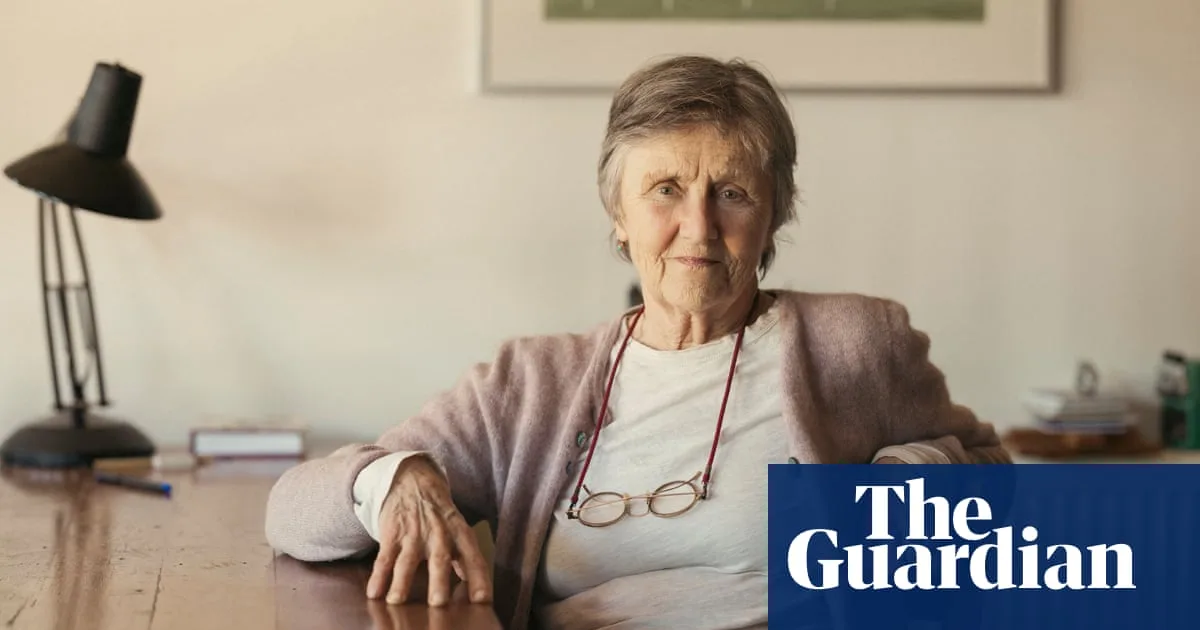
Australian author Helen Garner, 82, has become one of her country's most revered and beloved writers over five decades. Yet her reputation beyond Australia is strangely under-read, despite the admiration of critics such as James Wood, who wrote an appreciation for the New Yorker in 2016, and Merve Emre. As she approaches her late career, the question of worldwide recognition lingers.
In an anecdote that captures her fierce temperament, Garner recently described pruning an unruly bush in her Melbourne garden with such violence that she left it devastated. She lives next door to her daughter's family and felt adrift while they were away on holiday. 'Being willing to destroy is very important,' she said, reflecting on the catharsis of purposeful destruction.
Garner first became famous with her autobiographical first novel Monkey Grip, set in 1970s Melbourne. Later novels such as The Children's Bach and The Spare Room are slim, taut books about family and friendship. Her nonfiction includes courtroom accounts Joe Cinque's Consolation and This House of Grief. Her latest book, The Season, tells the story of her youngest grandson's Australian rules football team.
Her prose is often described as hard-worked yet immediate, blending elegiac and colloquial registers. She has long aimed to write prose that doesn't read like writing. Her diaries, published in three parts between 2019 and 2021, are considered her greatest work. They draw on a lifetime of daily writing and offer an intimate portrait of her thoughts.
Garner has courted controversy throughout her career. Monkey Grip drew criticism for its frank depictions of sex and drug use, while The First Stone angered some feminists. Her editor, Jane Pearson, says she has 'always ruffled a lot of feathers'. Friend Tim Winton notes that she has 'pissed people off in Australia for such a variety of reasons it's almost comic'. Despite this, her domestic reputation is assured, with multiple awards including an Australian Society of Authors medal.