A Guide to Muriel Spark's Novels: From Debut to Masterpiece
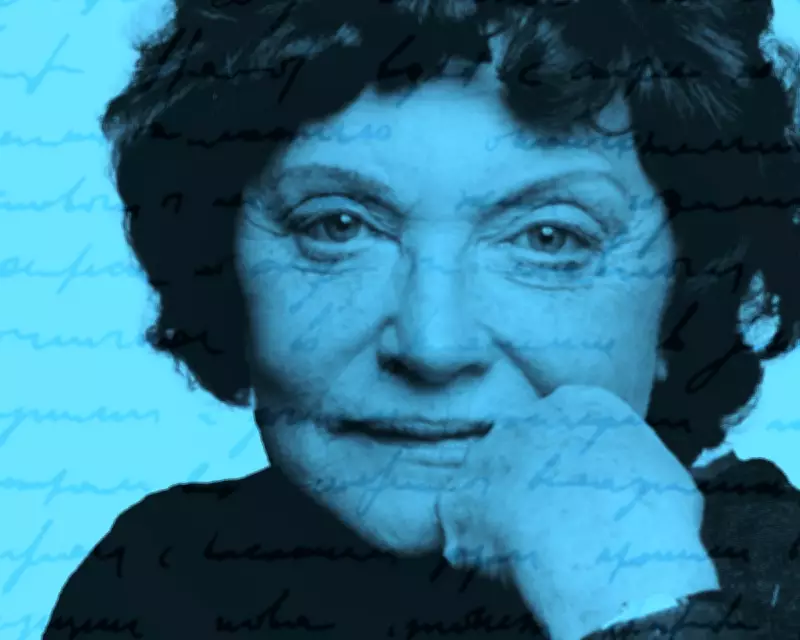
Next week marks two decades since the passing of Muriel Spark, the renowned Scottish novelist, short story writer, poet, and essayist. Best known for her 22 uncanny, astute, and witty novels, beginning with her 1957 debut The Comforters, Spark's work continues to captivate readers. Here, James Bailey, author of the new biography Like a Cat Loves a Bird: The Nine Lives of Muriel Spark, provides an expert guide through her remarkable oeuvre.
The Entry Point
Typically, a Muriel Spark novel employs a distinct method to engage readers. She often introduces an enclosed community—such as nuns, schoolgirls, or desert island castaways—filled with gossip, deceptions, and conflicts ranging from petty to profound. Into this microcosm, she drops a disruptive element: murder, scandal, or even an actual bomb. Then, she steps back, allowing readers to observe the ensuing chaos. For newcomers, the darkly comic Memento Mori from 1959 is an excellent starting point. This novel features a group of bickering pensioners troubled by anonymous phone calls delivering the message: "Remember you must die." It explores whether the imminence of death liberates us from fears and squabbles or if these burdens persist until the end.
The Extraordinary Debut
In early 1954, at age 35, Muriel Spark was nearing a nervous breakdown. Struggling with poverty, hunger, and overwhelming work, she turned to the stimulant dexedrine to suppress appetite and write through the night. She later remarked that the drug "made you less hungry, but it also made you dotty." Under its influence, Spark believed secret codes were hidden in books and that T.S. Eliot was spying on her as a window cleaner. Fortunately, she recovered and channeled this experience into her extraordinary debut novel, The Comforters. The protagonist, writer Caroline Rose, feels her reality slipping as she hears the clanking typewriter keys of a "Typing Ghost" dictating her life's events. Refusing to submit, the novel unfolds with diabolism, diamond-smuggling, and characters that vanish, showcasing Spark's early rule-breaking brilliance.

The Most Quotable
"Give me a girl at an impressionable age and she is mine for life," declares Jean Brodie to her elite "Brodie set" of six schoolgirls in Spark's best-known novel, The Prime of Miss Jean Brodie. This line, along with others like "I am in my prime" and "All my pupils are the creme de la creme," creates a language of a secret society, making readers feel cocooned and privileged. Spark skillfully weaves a tale of favouritism, fascism, and the seductive power of belonging, contrasting Brodie's vibrant classroom with the drab outside world, as she warns a girl, "You will end up as a Girl Guide leader in a suburb like Corstorphine."
The Masterpiece
Muriel Spark considered The Driver's Seat her finest and creepiest achievement. Published in 1970, during a period of taut, elliptical works like The Public Image and Not to Disturb, this novel reads like a disassembled holiday romance. Protagonist Lise sets off on travels in a new dress, chirpily stating she's meeting the man of her dreams. Readers must brave this brittle book to discover the dark truths in her dreams, which evoke more Shirley Jackson than Shirley Valentine, highlighting Spark's mastery of unsettling narratives.
The One About How We Live Now
Spark had a knack for depicting narcissists, self-mythologists, and charlatans, fascinated by the contrast between public personas and private realities. She would have thrived in the age of social media. Her 1968 novel, The Public Image, written in Rome during the paparazzi's rise, explores a film star's desperate attempts to salvage her reputation after her self-absorbed husband tries to ruin it. As the protagonist delves deeper into artifice, she loses all sense of identity, offering insights into contemporary fame and image culture.

The Ones That Deserve More Attention
"He looked as if he would murder me and he did," says Needle, the ghost narrator of the 1958 short story The Portobello Road. This tale is part of Spark's collection of ghost stories in her Complete Short Stories, where unquiet spirits haunt the pages. Many of these ghosts are ordinary—riding buses, maintaining rooms, and visiting aunts—yet they resurrect feuds and engage in affairs. In a 1996 revision, characters Harper and Wilton return from the dead to berate their author, demanding a better ending. This blend of creepiness and playfulness is quintessentially Spark, showcasing her innovative storytelling.