The Revolutionary Life of George Sand: Defying 1830s French Conventions
In 1830s France, women faced a society where even the slightest deviation from strict norms could cause major scandal. Flashing an ankle in public was considered as shocking as a modern-day breach of parliamentary decorum might be today. Prudishness reigned supreme, creating a cultural environment that only iconoclastic bohemians dared to challenge. It is thanks to such rebels that women eventually gained the freedom to wear trousers or shorter skirts without facing total social ostracisation.
Aurore Dupin's Unconventional Beginnings
One of the most remarkable rebels was Aurore Dupin, who adopted the pen name George Sand and flung caution to the wind with the force of a champion shot-putter. Born in 1804, her arrival came just as the blood had barely dried on the guillotine that had executed a king and queen. The old world order had been completely overturned, leaving society in a state of confusion about what constituted proper behaviour.
Sand's very birth signalled this brave new world. Her father descended from Polish royalty as the great-grandson of the King of Poland, while her mother had previously worked as a prostitute. This unusual parentage created a stark contrast that reflected the social upheaval of post-revolutionary France. Tragedy struck early when her beloved father died, and her mother, unable to cope, sold the four-year-old Aurore to her paternal grandmother. This aristocratic woman raised the child in a countryside manor house, providing the young girl with material that would later fuel her literary imagination.

Breaking into a Man's World
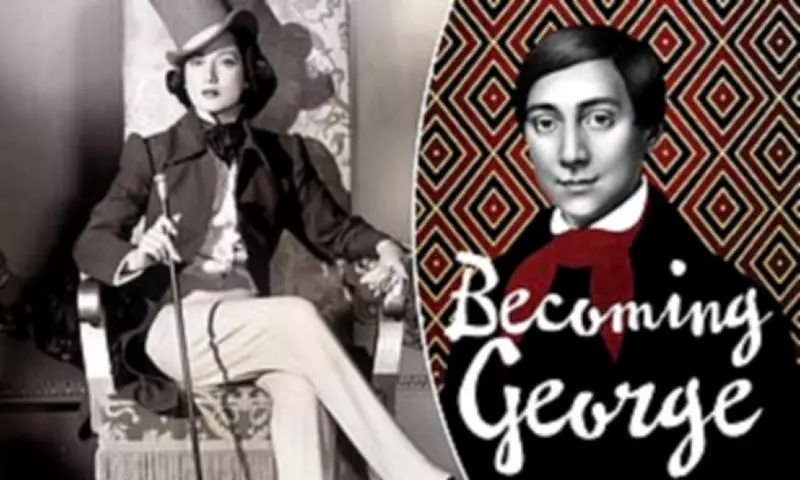
Despite the dramatic changes brought by the French Revolution, women in the early 19th century were still expected to confine their ambitions to domestic spheres. To establish herself as a writer, Sand needed to infiltrate what was essentially a man's world. Her solution was radical: she would become one, at least in appearance. Soon she was seen throughout Paris wearing trousers and a top hat, smoking endless cigars, and scandalising French society at every turn.
Her sentimental and romantic novels became wildly popular, devoured by the French public with enthusiasm. Though she faced constant criticism from those who believed women should make babies, not books, her literary success was undeniable. Even the poet Charles Baudelaire expressed bewilderment and rage, famously describing her as that latrine that men somehow found themselves falling in love with. And fall in love they did, repeatedly, with both her writing and the woman herself.
A Life of Passion and Scandal
When 19th century women were condemned as promiscuous, they rarely deserved such harsh reputations. In Sand's case, however, the label was arguably accurate—and then some. She possessed an insatiable appetite for love, particularly pursuing younger men and at least one woman throughout her life. Her romantic adventures became legendary, fueling both her personal reputation and her creative output.
One particularly scandalous episode occurred when Sand and her lover Alfred Musset travelled to Venice. When Musset fell seriously ill with typhoid, Sand called for a doctor named Pietro Pagello to care for him. In a twist that shocked even bohemian circles, she soon became the doctor's lover while still attending to her ailing partner. As biographer Fiona Sampson notes, George could sometimes be her own worst advertisement through such behaviour.
The Legacy of a Literary Rebel
Breaking taboos and freeing herself from 19th century expectations was the only way Sand could live the expansive, far-reaching life she desired. Her novels—which were widely read in Britain, where she achieved greater recognition than contemporaries like Victor Hugo or Honore Balzac—likely would not exist without her voracious appetite for life's experiences. By hoovering up the wealth of experiences that love and adventure offered, she created literary works that resonated across Europe.

Before reaching her fifth birthday, Sand had already collected enough material for a great novel. As the years progressed, she stuffed her life with enough passions and adventures to fill entire shelves of books. Her extraordinary journey from unconventional beginnings to literary fame demonstrates how challenging societal norms can lead to remarkable creative achievements, even in the most restrictive environments.