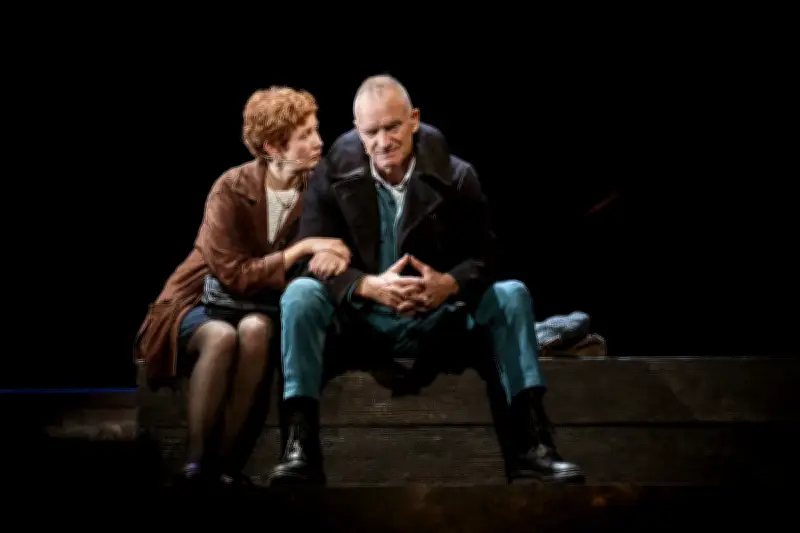
Sting's musical about industrial decline in the north-east has finally arrived in the West End, but only for 16 performances at Theatre Royal Drury Lane. The passion project, a salute to the Tyneside shipbuilding communities he left behind, is described by critic Nick Curtis as solemn and ponderous as a tanker.
A score overstuffed with 27 numbers
The folk-inflected score is praised as pretty good, as expected from such an accomplished musical storyteller, but it is overstuffed with 27 numbers, including reprises. The projected image of a massive ship's hull dominating the stage underlines the over-use of seagoing metaphors in the lyrics.
The plot welds a prodigal love story to an up-the-workers fantasy of anti-capitalist defiance, which Curtis calls insultingly lame. The acting in Leo Warner's production is unsubtle, and Sting himself stars as Jackie, a noble shipyard foreman stricken with lung cancer. The show clocks in at three hours as audiences wait for his much-flagged, symbolic demise.
Odd characters and a baffling cameo
Reggae star Shaggy played a figure equivalent to Charon, the ferryman to the underworld in Greek myth, for the first preview and opening night. For the rest of the run, Lejaun Sheppard takes over the role. Other odd characters include a drunk and his poetry-spouting buddy, there to symbolise the hardship and nobility of hot, heavy labour. All the women are tough and stoical, and there is a weird throwback to the Catholicism of Sting's upbringing, with the workers likened to Jesus.
In a 1970s-set preamble, motherless Gideon (Declan Bennett) flees the home of his hard-drinking, shipbuilder father to enlist in the Navy. Seventeen years later, he returns after his dad's death, just as a stock-villain Tory baroness announces the state-owned shipyard is to be closed. He also discovers a stroppy daughter, Ellen (Hannah Richardson), with the teenage sweetheart, Meg (Frances McNamee), who he abandoned.
Standout performance and a problematic book
Meg has been pursued by Freddy (Matt Beveridge), the manager of the yard his family once owned, who seems happy with a sexless relationship. Freddy plans to take the yard back into private hands with a 70% reduction in the labour force. Jackie mystifyingly suggests the men break into the site to finish and launch the yard's much-delayed last ship, named the Utopia, though what this futile gesture is supposed to achieve isn't clear.
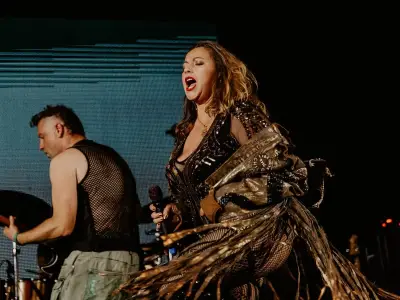
Many of the songs have a certain majesty, belted out by an enormous ensemble, with 31 people counted on stage at one point. The duets and ballads, however, tend towards the mawkish. The standout performer is McNamee as Meg, who delivers the tango-style number If You Ever See Me Talking to a Sailor with force and panache.
The main problem is the book, now on its fourth writer. Barney Norris reworks a previous version by Lorne Campbell, based on the original by John Logan and Brian Yorkey, but the story remains a mess of cliches. The Last Ship is earnest and well-meaning with some good songs, but it simply doesn't float. To 3 Oct, lwtheatres.co.uk