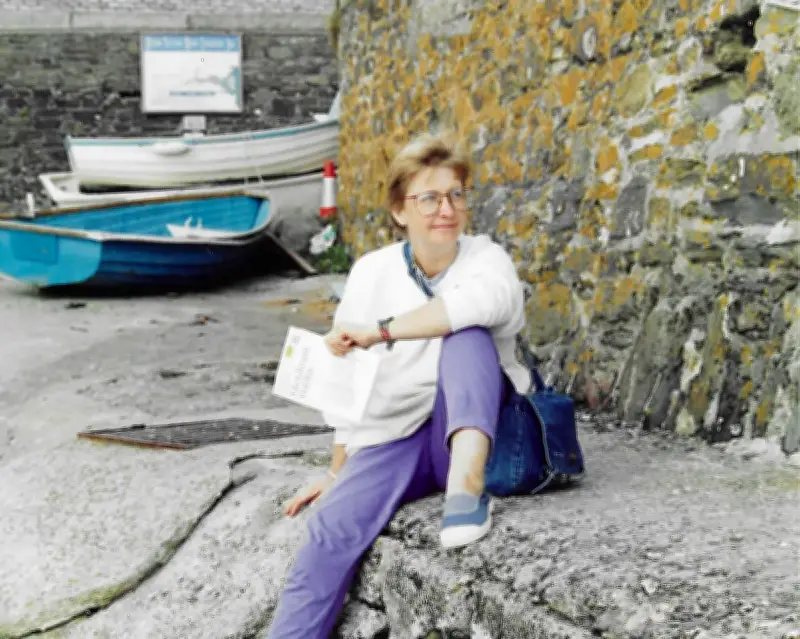
Sally Marchant, a significant midwife researcher and leader, has died aged 71. After working as a midwife for more than a decade, in 1991 she was recruited to the National Perinatal Epidemiology Unit at Oxford University as a researcher. Among other work there, she took part in the BLiPP study, a project looking at new mothers’ experiences of blood loss, and co-authored an article on its key findings for the journal Midwifery in 1999.
Academic career and research
In 2000, she became a senior lecturer at Bournemouth University and in 2002 gained her PhD from the University of Portsmouth. Her studies investigated postnatal maternal wellbeing, an area previously (and still) lacking evidence.
From 1999, Sally was a trustee, later chair, of the Iolanthe Midwifery Trust. She expanded the charity’s activities, appointing an executive director to ensure good governance; I was selected and hugely enjoyed working alongside Sally’s good humour and creativity.

Editorial leadership
Diversifying again, in 2003 she became editor of the Midwifery Digest, published by the Midwives Information & Resource Service, continuing until 2012. As a member of the editorial board, I appreciated the keen debates and laughter at its meetings.
Born in Dundee, Sally was the youngest of the three daughters of Joan (nee Page) and George Marchant, an engineer with the National Cash Register Company. While she was still a child, the family moved to Worcester Park in south-west London, where she was a babysitter for the neighbouring Beale family.
Early life and career
The actor Simon Russell Beale, one of her young charges, described how she often travelled with the family across Europe and remembered how, on long, hot car journeys, Sally taught the children to crochet: “stuffing the car with wool and needles so that a potentially irritable gaggle of children sat quietly making blankets. A characteristically productive and happy idea.”
After leaving Burlington secondary school in New Malden, Sally trained at the Wolfson School of Nursing, based at Westminster hospital in London. After completing midwifery training in Perth, then special baby care training in Stockport, Sally started as a midwife at the Princess Margaret hospital in Swindon in the mid-1970s.
Advocacy and later years
On one postnatal ward, she was required to restrict babies to four-hour feeds. Finding no supporting evidence or logic, she quietly implemented a more baby-friendly approach. She identified many other absences of evidence in midwifery practice – and decided to help fill the gaps.
A spell in industrial relations, 1986-90, at the Royal College of Midwives, the midwives’ professional body, enhanced her understanding of her colleagues’ working lives. Attention to detail and the law helped her improve grading and pay for many of them. An RCM colleague described Sally’s “passion … to make things better for midwives – but also wanting improvement for mothers”.
For some years, Sally lived in Wroughton, Wiltshire, with her long-term partner and friend Mary Matthews, a health visitor. Recently she had moved to Ipswich in Suffolk to be closer to her sister, Gillian. Latterly, Sally lived with chronic fatigue and other conditions that limited her mobility, but not her contribution to local choirs, nor her fabulous baking, nor her skilled needlework. She is survived by Gillian and four nieces.