Rhoda Roberts, Indigenous Cultural Leader and 'Welcome to Country' Pioneer, Dies at 66
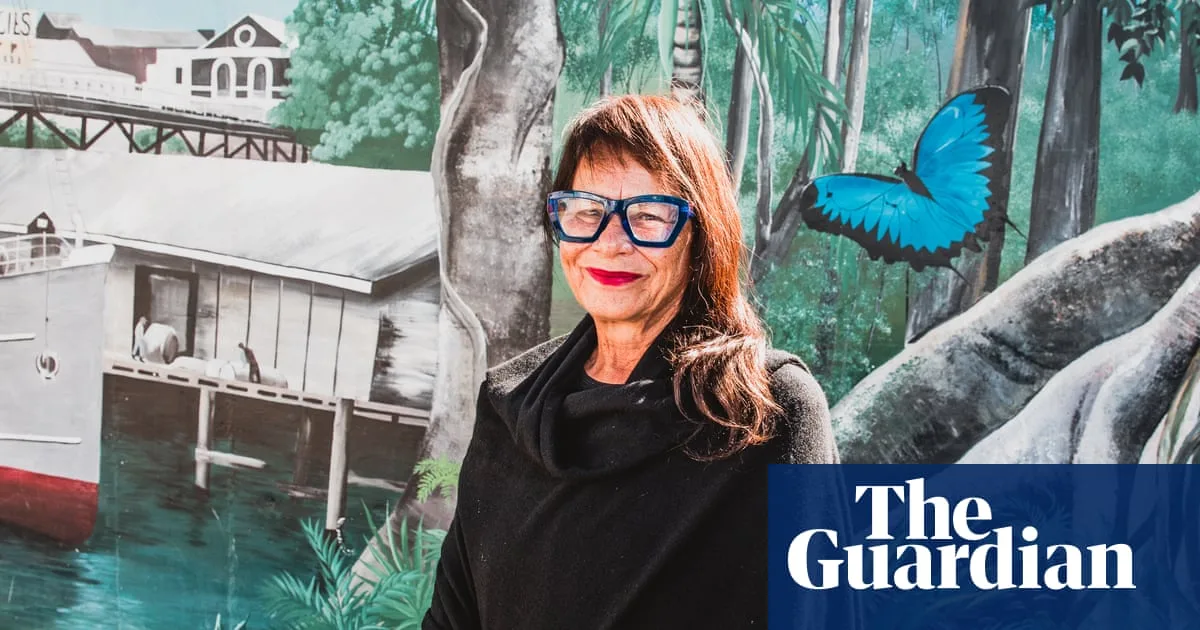
Rhoda Roberts, a revered Bundjalung Widjabul Wiyebal elder and influential Indigenous cultural figure, has died at the age of 66. Known for introducing the term 'Welcome to Country', Roberts dedicated her life to promoting Aboriginal and Torres Strait Islander heritage through various roles in broadcasting, arts, and festival direction.
Early Life and Overcoming Adversity
Born on 8 July 1959 in Camperdown, Sydney, Roberts grew up in Lismore, New South Wales, on Bundjalung land. Her father, Frank Roberts, was a pastor and civil rights activist, while her mother, Muriel, faced ostracism in their community. Despite being among the first Indigenous students to finish Year 10 in her area, a careers counsellor discouraged her from pursuing higher education, advising that finishing high school would be a waste of time. Undeterred, Roberts initially trained as a registered nurse, working in London for five years, but her passion for storytelling and culture soon took centre stage.
A Trailblazing Career in Arts and Media
Roberts began her media career as a volunteer with Radio Redfern and later became the first Aboriginal person to host a prime-time current affairs program, SBS's Vox Populi, in 1990. In 1992, she co-founded Deadly Sounds, a radio program that ran for 21 years, amplifying Indigenous voices across Australia and the Pacific. Her creative work included co-founding the Aboriginal National Theatre Trust in 1988 and launching the Dreaming festival/Garrabadu in 1995, which led to her pivotal role as creative director for the Sydney Olympics Awakening Ceremony in 2000, viewed by millions globally.
Landmark Roles and Cultural Advocacy
In 2012, Roberts became the inaugural head of Indigenous programming at the Sydney Opera House, a position she held for nine years. During this time, she initiated Dance Rites, a First Nations dance competition, and advocated for the inclusion of groups like Bangarra Dance Theatre. She also served as creative director of the Parrtjima festival of light in Alice Springs from 2017, using light installations to engage Australians with Aboriginal storytelling. Roberts modestly credited herself with introducing the term 'Welcome to Country' while developing protocol manuals for the arts industry in the 1980s.
Personal Challenges and Legacy
Roberts faced significant personal hardships, including the disappearance and unexplained death of her twin sister, Lois, in 1998, which she described as feeling like 'missing a limb'. She also took guardianship of her sister's daughter, Emily, in 1994, raising her with her then-husband, actor Bill Hunter. Despite these challenges, Roberts continued her advocacy, producing works like Yarrabah the Musical in 2012 and serving on numerous boards. She was made an Officer of the Order of Australia in 2016 for her services to the arts.
Final Years and Enduring Impact
In her later years, Roberts wrote a one-woman play, My Cousin Frank, about her relative and Australia's first Aboriginal Olympian, boxer Frank Roberts. She emphasised the importance of sharing Indigenous culture as a path to a shared future, urging others to 'start to listen and your body will catch the rhythm'. Roberts is survived by her daughter Emily, partner Stephen Field, and their children Jack and Sarah. Her legacy as a cultural powerhouse and ambassador for First Nations people remains a testament to her resilience and vision.