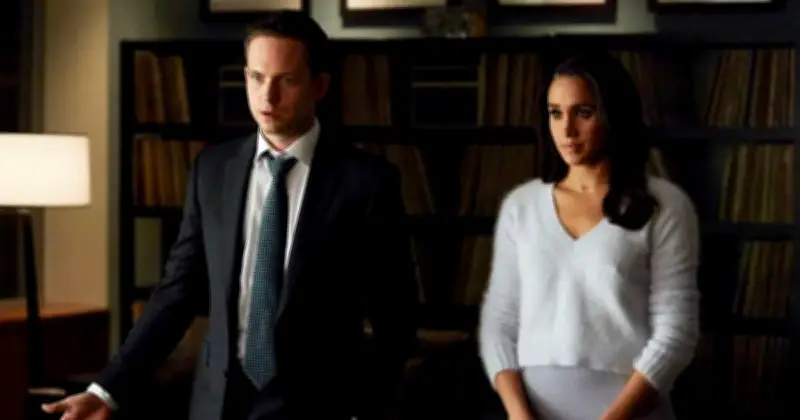
A group of MPs has said the BBC should stop paying "over the odds" for the rights to international TV shows such as Suits and Schitt's Creek, arguing these programmes do not provide value for money for the licence fee payer.
Report calls for wiser spending
The issue was raised in a wide-ranging report about the funding and future of the BBC, published by the House of Commons' cross-party culture and media committee. Although the BBC produces its own programmes, including renowned crime dramas such as Line of Duty and Happy Valley, the corporation purchases the rights to overseas shows to broadcast on its TV channels and streaming platform BBC iPlayer.
The MPs' report argued that the BBC should "spend more wisely when competing for programming." They added that the BBC brings "immeasurable benefits" to society overall, but needs reform of the TV licence fee to prevent "managed decline."
Pivotal moment for the corporation
The report has come at "a pivotal moment for the BBC," committee chair Dame Caroline Dinenage said. The BBC has faced intense pressure over the last few years, with viewers now grappling with the licence fee potentially rising next year.
The corporation is also facing declining income and has been forced to cut hundreds of jobs in an effort to save more than £100 million, as it continues to seek ways to reduce costs amid ongoing pressure on its revenues. It is also in negotiations over how it is paid for, with Dame Caroline calling on the government to "ensure the BBC has a universal and sustainable source of funding."
Ending illogical practices
She went on to say that the BBC "can play its part by sweating its assets and boxing clever for the licence payer by ending illogical practices such as outbidding commercial rivals for overseas hits such as Suits, Schitt's Creek and Scooby Doo."
"At a time of constrained resources, the BBC should not be paying over the odds for overseas content, particularly when it's a bidding war against commercial UK broadcasters," the committee added. The MPs admitted that they do "not believe that this provides value for money for the licence fee payer."
BBC defends its approach
The BBC said it spends less than five per cent of its content budget on acquiring programmes, which is less than any other broadcaster, arguing that this is an effective way of delivering high-quality content to viewers, who then go on to watch more of the BBC's original programming.
Dame Caroline added: "For all its faults, the BBC drives our creative economy, supports our democracy through media sovereignty, and delivers world-class entertainment and moments that bring us together. Like a much-loved family member, we may criticise and grumble about the BBC but we would miss it enormously if it were no longer here for us."
The committee also warned that the licence fee is "outdated and no longer fit for purpose." "The licence fee should be reformed so it is no longer linked to the consumption of live TV or to a particular device, such as a television set," they suggested. "This should be an easier sell to licence fee payers if expanding the base is paired with a drop in the individual cost."