Tzeli Hadjidimitriou's debut feature, Lesvia, is a finely crafted documentary that tells the story of the lesbian community that grew around Eressos on the Greek island of Lesbos (also known as Lesvos). Hadjidimitriou, who is from the island but not Eressos itself, weaves together personal and public narratives about the scene that flourished there.
Sappho's legacy and the rise of a community
Eressos was the home of the 7th-century BC poet Sappho, whose love poetry runs through the film. Lesbians, including the director, have long flocked to the island to pay homage. By the 1970s, the growing number of queer visitors began to form not just a scene but a community, initially centred on a nudist beach where many women camped.
Homophobia and economic decline
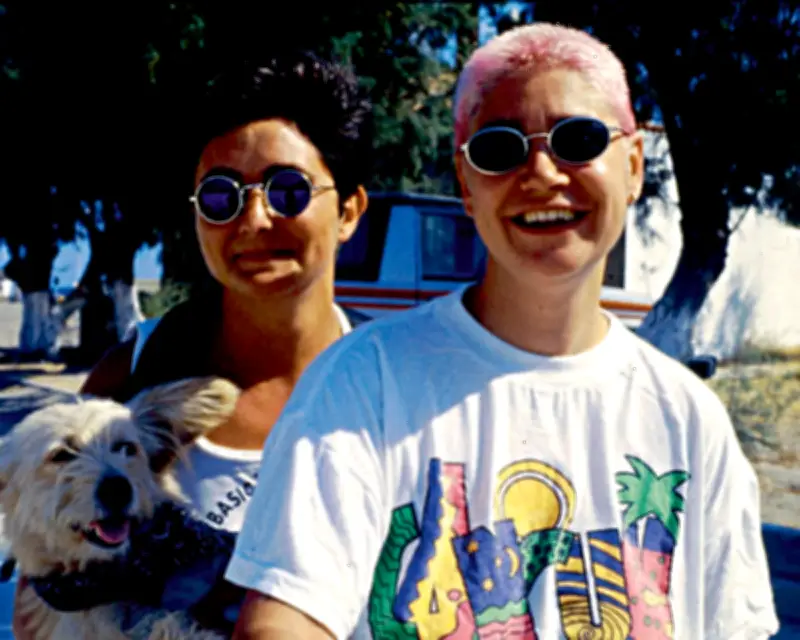
Hadjidimitriou's still photographs capture the sensuality of the often naked women, who were delighted to have found a haven where they could be themselves. However, relations with locals were not always easy, and tourists faced homophobia and invasions of their women-only spaces. As one woman recalls, butches often helped hustle intruders off. Over time, tolerance grew, bolstered by the money visitors brought, leading to female-run bars and hotels.

The utopian tale soured, perhaps linked to Greece's economic crisis starting in 2009. Within a few years, most lesbian bars and women-run hotels closed, and the community became more marginalised.
A touching oral history
Hadjidimitriou builds her oral history through interviews with women from around the world who knew Eressos in its golden years. The film is touching, and despite faded glory, younger generations still visit. The sound design, constantly incorporating the sea, adds an evocative layer. Lesvia is on digital platforms from 3 August.