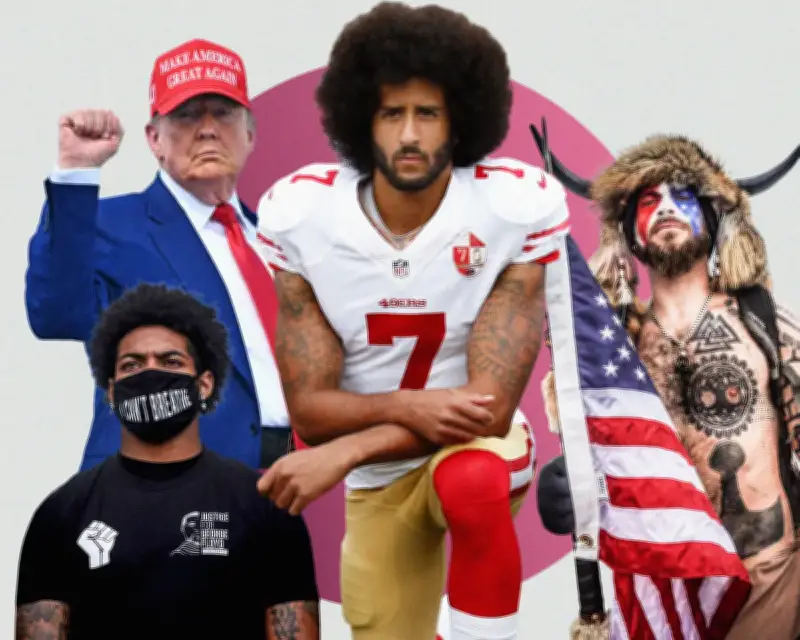
Ten years have passed since Colin Kaepernick first protested police killings of Black people by taking a knee during the national anthem for the entirety of the 2016 NFL regular season. He never played in the league again. The protest, which began as a quiet act of defiance, has since been recognized as a pivotal moment in American culture, one that predated and perhaps precipitated a broader political shift.
A Decade of Reflection
According to Howard Bryant, writing for the Guardian, much of the Kaepernick story has been reduced to his personal banishment. Yet, second only to Barack Obama, Kaepernick is the face that propelled white anger into a culture war that continues into its second decade. The protest has traveled through the NFL, Hollywood, the White House, and now the WNBA.
In the annals of American protest, Kaepernick's act was mild by comparison—he gave voice with 60 seconds of silence. On 26 August 2016, he explained, "To me, this is bigger than football and it would be selfish on my part to look the other way. There are bodies in the street and people getting paid leave and getting away with murder." Combined, Obama and Kaepernick represented the realization of deep-seated white fears about Black equality.

The Legacy of Exile
Ten years later, the legacy of Kaepernick is viewed through a harsh, retrofitted lens. Sports leagues largely purged troublemakers and co-opted protests into corporate-friendly gestures. An American electorate voted Donald Trump into power twice, and media outlets coalesced around his whiteness, silencing uncomfortable voices. The player class, aware of Kaepernick's fate, operated as puppets.
While Trump called NFL players "sons of bitches" and demanded Kaepernick be banned, players like Dak Prescott undermined the protest, saying, "For me, I believe in doing something, action. It's not about taking a knee." Michael Vick told Kaepernick to "cut his hair," and Ray Lewis told him to "keep his mouth shut." Notably, Kaepernick was exiled for kneeling, while Lewis, connected to an incident resulting in two killings, was fined $250,000 and never missed a game.
A Nation's Response
The assumed proprietorship of America by white people demands deference for their benevolence and explains their rage when challenged. Kaepernick's exile has become a political philosophy at the highest levels of government: Black people have not earned their positions through hard work, but from diversity initiatives.
The slow-motion murder of George Floyd in 2020 brought a collective moment of reckoning, with even NFL commissioner Roger Goodell admitting the league was wrong in its crackdown on player protest. But the simmering hostility has increased anew. The January 6 riots ended the period known as athlete activism and the Kaepernick era, exposing players as having surrendered.
The Warning and the Legacy
The lesson of Kaepernick was a threat to other players, a warning to stay in line. What passes for protest today is a player writing something mildly profound on their cleats, but only on designated game days when the NFL allows it. The legacy is darker, yet inspiring in its freedom of acknowledgment. There is no reason to continue the naive exercise of negotiation or to believe equality is a shared American goal. The country has proven it with its 1,500 pardons, proud anti-Blackness, and a cowering corporate media.