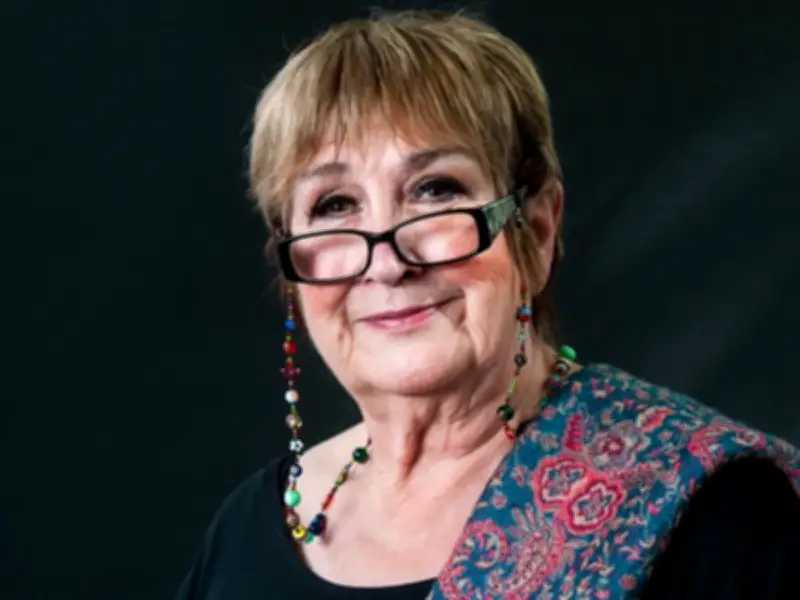
Dame Jenni Murray died aged 75 from bronchopneumonia caused by rib and sternum fractures sustained in a car crash after being dazzled by vehicle lights, an inquest heard. The BBC broadcaster was involved in a collision in north London on March 4 2026, and died on March 12 this year.
North London area coroner Tony Murphy ruled that Dame Jenni's cause of death was bronchopneumonia caused by fractures to her rib and sternum sustained in the crash. The inquest at Barnet Coroner's Court heard a statement from Dr Clare Morkane, a consultant at the Royal Free Hospital where Dame Jenni died after being admitted on March 4.
Collision details
Dr Morkane said: “Jennifer had been driving when she became dazzled by vehicle lights and collided with two stationary vehicles. Following the collision, Jennifer was unable to recall events, exited the vehicle independently and she was conveyed to hospital.”

The collision took place on Wildwood Road, adjacent to Hampstead Heath, around 7.44pm, the inquest heard. The collision caused “multiple rib fractures”, a fracture to the upper sternum and a collapsed lung.
Hospital treatment and death
Dame Jenni was taken to hospital, placed on non-invasive ventilation and moved to intensive care but developed bronchopneumonia. Dr Morkane said that after a significant deterioration on March 10 a decision was made to focus on palliative care.
She said: “Jennifer died peacefully on 12 March 2026 at approximately 15.45 hours.” The Metropolitan Police investigated the crash but closed its investigation with no further action. Dame Jenni's husband David Forgham-Bailey attended the hearing via video link.
Career and legacy
Dame Jenni was best known as the voice of BBC Radio 4's Woman's Hour, hosting the programme for three decades and becoming the longest-serving presenter in its history. After her death former Labour deputy leader Baroness Harriet Harman called Dame Jenni “the broadcasting wing of the women's movement”.
Dame Jenni announced on Woman's Hour in 2006 that she had been diagnosed with breast cancer and began raising awareness of the condition as vice-patron for Breast Cancer Now – a position she held for almost 20 years. She was made a Dame in 2011 in recognition of her contribution to broadcasting.