Andy Burnham will right a 'historic wrong' when the descendants of the Jarrow Marchers are given a VIP reception in Parliament. Labour's Jarrow MP Kate Osborne and proud relatives of those who took part in the original Jarrow Crusade are heading to the House of Commons later this month.
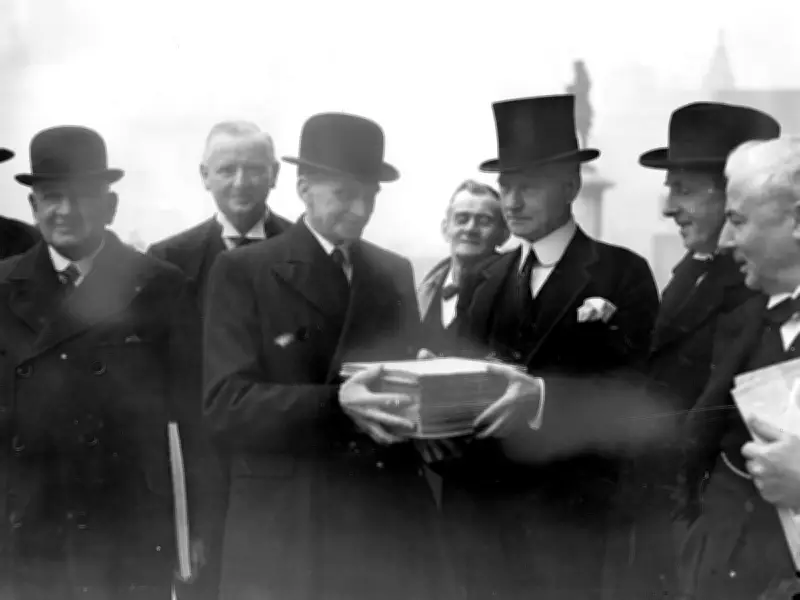
The original marchers set off on October 5, 1936, arriving in London 26 days later. Despite their petition, which had 11,000 names calling for a steelworks to replace the closed shipyard, Conservative Prime Minister Stanley Baldwin would not see them.
A historic snub and its lasting impact
The Government accepted the petition, but offered no immediate aid. Despite the snub, the march won public and press sympathy and drew attention to the plight of towns such as Jarrow, which was left in abject poverty.
Less than a decade later, the postwar Labour government was elected and introduced reforms such as the NHS and social security. Now, the descendants of the marchers are to be given a special reception in Parliament and will finally be given the recognition they deserve by the Government.
Descendants to be honoured in Parliament
Labour MP Kate said: "The march put Jarrow on the map. They felt very dejected that at Baldwin's response back then. But the March did have an impact, which is reflected in the fact we remember it 90 years on - we saw the welfare state come in, and the NHS. They were part of the reasons those things came about. It showed the power of that collective action."
Kate said that around 60 people from Jarrow will visit the House of Commons, with an exhibition planned of never-seen-before photos of the march. She added: "The descendants are all very proud of their family history. I met a 95-year-old woman on Friday whose great uncle was on the march, she remembers him coming back. They are very keen to talk about their relatives and remember them. It is righting a wrong."
A symbol of hope and a legacy of solidarity
"We have heard the Prime Minister use the word hope a great deal recently, it was all over the party conference. This shows that we have a Prime Minister who wants to do the right thing and this certainly is the right thing to do - it is a symbol of hope in itself."
Kate is in talks with the Government about investment in the North East. The march saw 200 unemployed men walk from Jarrow to London to demand work and draw attention to poverty in their town. The men's petition was received by the House of Commons but it wasn't debated and many of the men felt that they had failed.
But the march came to be seen as one of the defining moments of the 1930s, symbolising working class solidarity at a time of economic hardship. It is now widely thought to have changed attitudes and influenced social reforms after the Second World War.