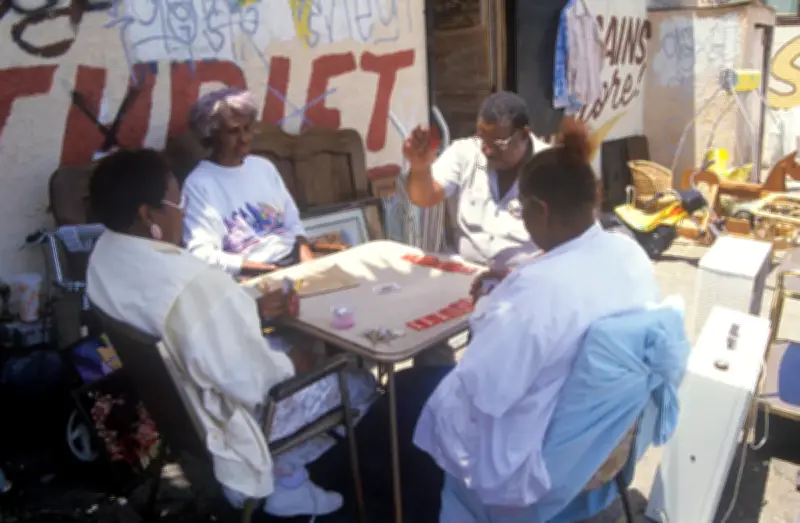
Black families across the United States are rediscovering the card games spades and bid whist, turning weekly game nights into a cherished ritual that honors cultural heritage and deepens family connections.
Game Night Revival
The resurgence has been fueled by a desire to reconnect with traditions passed down through generations. Many families report that these games, once a staple at gatherings, had faded with the rise of digital entertainment but are now making a strong comeback.
In cities like Atlanta, Chicago, and Detroit, community centers and churches are hosting tournaments that draw players of all ages. Younger participants are learning the rules from elders, who relish the opportunity to share stories and strategies that have been part of their families for decades.

Cultural Significance
Spades and bid whist are more than just games; they are a form of social bonding that reinforces communication, teamwork, and respect among players. The games require partnership and trust, values that resonate deeply within the community.
For many, the appeal lies in the tactile nature of holding cards and reading opponents face-to-face, a contrast to the isolation of online gaming. The ritual of shuffling, dealing, and the friendly banter around the table create an atmosphere of warmth and belonging.
Impact on Community
The revival is also having a positive impact on mental health, offering a way to reduce stress and combat loneliness, particularly among older adults. Regular game nights provide structure and a sense of purpose, while also fostering intergenerational dialogue.
As the trend grows, enthusiasts hope to see spades and bid whist introduced into schools and community programs, ensuring that these traditions endure for future generations. The card table, once again, serves as a gathering place where history, laughter, and family pride are dealt out in equal measure.