BAFTA Initiates Comprehensive Review Following Controversial Ceremony Incident
The British Academy of Film and Television Arts (BAFTA) has sent letters to its members promising a thorough review of its 2026 ceremony after a landmark campaigner with Tourette's syndrome involuntarily shouted a racial slur while two black actors were on stage. The incident occurred during Sunday's ceremony at the Royal Festival Hall in London, sparking significant backlash and prompting multiple apologies.
Details of the Controversial Outburst
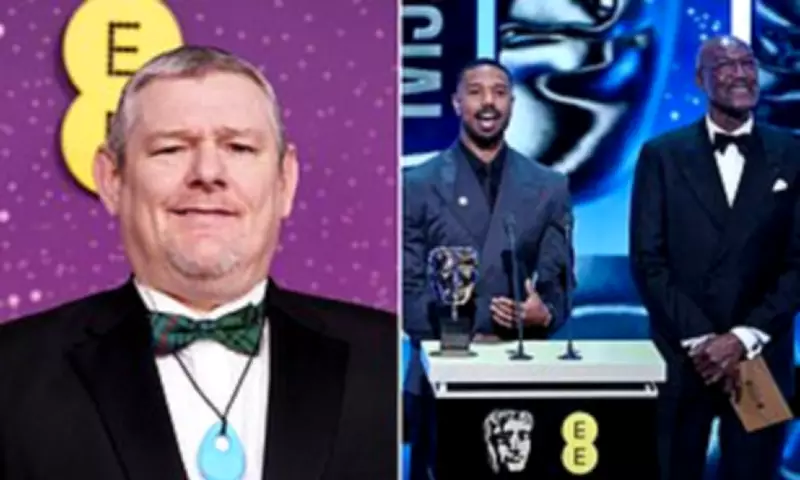
John Davidson, a 54-year-old Scotsman whose life story inspired the film I Swear, shouted the N-word while actors Michael B. Jordan and Delroy Lindo were presenting an award. Davidson suffers from severe Tourette's syndrome with coprolalia, a condition that causes involuntary shouting of socially inappropriate words or phrases. This was not his first public incident; he previously shouted offensive language during his MBE award ceremony in 2019.
The BBC failed to edit out the outburst before broadcasting the awards ceremony, despite it not being aired live. This oversight left the racial slur audible on television and BBC iPlayer for approximately twelve hours before removal. BBC sources indicated that producers responsible for editing simply did not hear the slur during Jordan and Lindo's presentation, though they had caught another occurrence in time.

Reactions and Consequences
Following the ceremony, Davidson expressed feeling a wave of shame over his tic and issued a swift apology, stating he was deeply mortified. He attended the event because I Swear was nominated in five categories. Davidson has since questioned BAFTA's decision to seat him directly in front of a microphone, noting he had assumed any offensive outbursts would be edited prior to broadcast.
Delroy Lindo criticized BAFTA for failing to address the incident with him and Jordan afterward, saying they did what we had to do during the presentation but wished for post-ceremony communication. In response, film-maker Jonte Richardson announced his resignation as a BAFTA judge over the academy's handling of the situation.
BAFTA's Response and Review Process
In its letter to members, BAFTA apologized to Jordan, Lindo, and all affected guests, admitting it had put them in a difficult situation. The organization stated, We take full responsibility and emphasized that inclusion remains at the core of its mission. A spokesperson confirmed that a comprehensive review is underway, with ongoing conversations involving the studios.
The BBC also issued an apology to staff for the broadcasting error, explaining that the language arose from involuntary tics associated with Tourette's syndrome and was not intentional. They assured viewers that the offensive content would be removed from the iPlayer version.
Charity Advocacy and Understanding
Tourettes Action, a charity supporting those with the condition, called for public understanding, emphasizing that tics are neurological and involuntary, not reflective of a person's beliefs or character. They acknowledged the harm caused by the racial slur but stressed the importance of compassion toward individuals living with Tourette's syndrome daily.
Davidson, who has campaigned for Tourette's awareness since age 12, reiterated his commitment to teaching empathy and kindness. He left the auditorium early during the ceremony to minimize distress and has reached out to the studio producing Sinners to apologize directly to Jordan, Lindo, and production designer Hannah Beachler, who reported another racial slur aimed at her after the show.