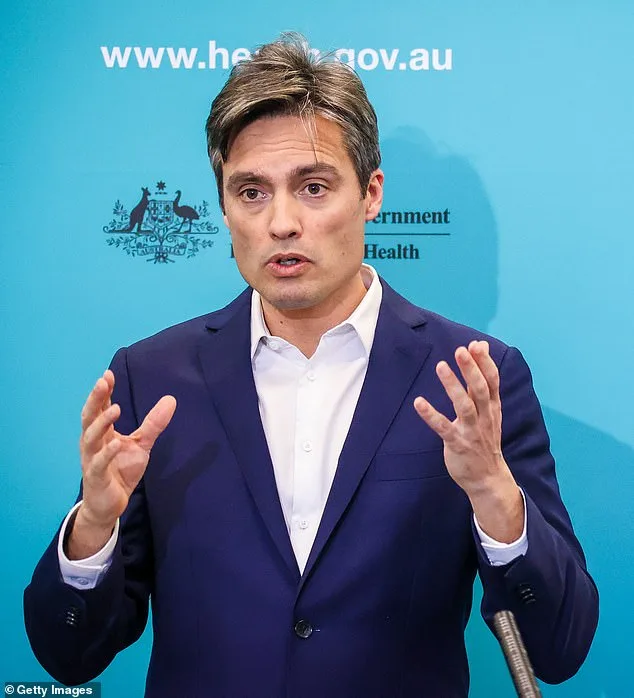
One of Australia's leading doctors has highlighted a significant flaw in the newly announced inquiry into the country's pandemic response. Dr Nick Coatsworth, former deputy chief health officer, noted that the inquiry's terms of reference exclude 'actions taken unilaterally by state and territory governments', meaning lockdowns and border closures will not be scrutinised.
Prime Minister Anthony Albanese and Health Minister Mark Butler announced the inquiry in Adelaide on Thursday, stopping short of a full Royal Commission despite Labor's previous calls for one. The inquiry will be led by economist Angela Jackson, epidemiologist Catherine Bennett, and public administration expert Robyn Kruk, and will report within 12 months.
Dr Coatsworth, now ambassador for health reform at the Australian Patient's Association, expressed concern over the omission. He previously called for an examination of whether independent public health powers should remain with states during a pandemic. 'Who determines proportionality of pandemic response and how are societal costs assessed?' he asked.

He criticised Victorian Premier Dan Andrews, who suggested the inquiry focus on vaccines, the national medical stockpile, and PPE. 'None of those are related to the core question. Proportionality,' Dr Coatsworth said. 'It is a word that he would prefer never enter into the historical record.'
Nationals Senator Bridget McKenzie accused the government of breaking a promise, claiming Mr Albanese is shielding Labor premiers like Dan Andrews and Annastacia Palaszczuk from full scrutiny. 'There are some things we led the world in, and some where politics got in the way,' she said.