Kharkiv's architectural heritage, epitomised by the iconic Derzhprom building, stands as a testament to the city's resilience amid Russia's ongoing invasion. The Derzhprom, once the tallest office building in Europe, now bears the scars of war, having been struck by a guided bomb in October 2024. Despite the damage, it remains a symbol of strength for locals, who see its concrete as unbreakable, much like their own spirit.
The building, completed in the 1920s, was a marvel of constructivist architecture, featuring a Tetris-like arrangement of interlocking forms and skybridges. It was designed to house the state industry headquarters of the Ukrainian Soviet Socialist Republic, then based in Kharkiv. Today, it is a focal point of the city's architectural guidebook, written by Ievgeniia Gubkina as a love letter to her hometown, which she completed just before the full-scale invasion began in February 2022.
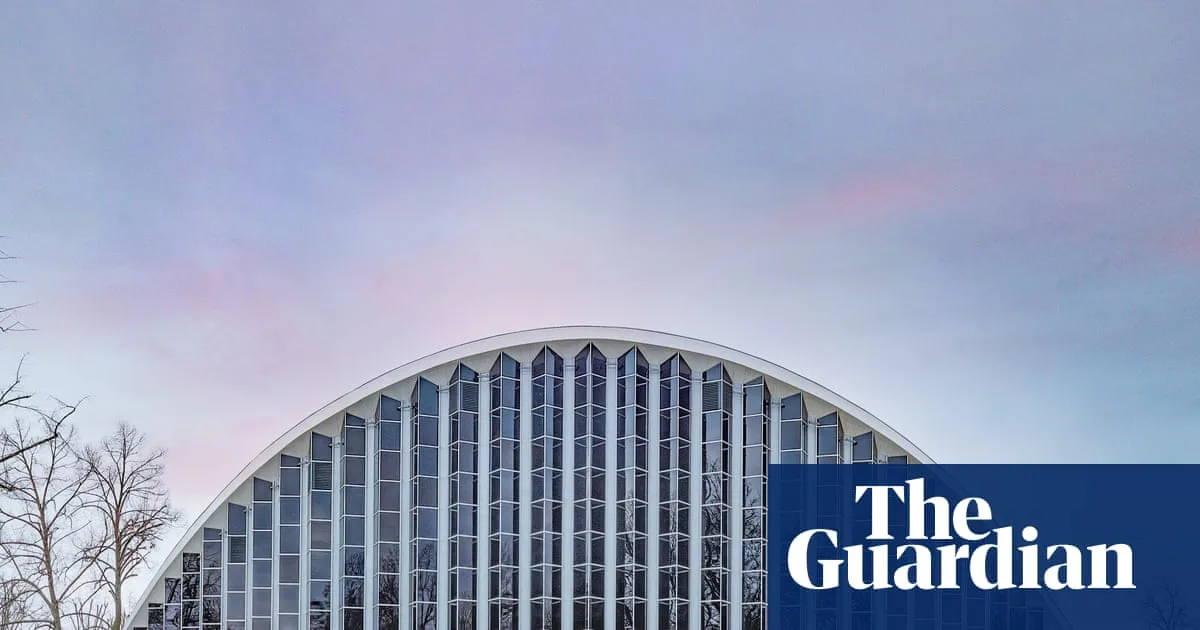
Gubkina's guidebook has become an 'anti-guidebook' due to travel warnings, but it offers a poignant insight into Kharkiv's built environment. Over 8,000 buildings in the city have been damaged or destroyed since the invasion, including many cultural landmarks. The Railway Workers Palace of Culture, another constructivist gem from the 1920s, has also suffered, though its elegant scalloped facade still evokes the city's golden age of avant-garde creativity.

The targeting of these structures, Gubkina argues, is no accident. They represent Ukrainian identity and autonomy, making them symbolic targets for Russian forces. Yet, the concrete fortresses of Kharkiv endure, embodying the resilience of a city that refuses to be broken.