Mark Cousins, the filmmaker and critic known for his distinctive voice in documentary cinema, has unveiled two new chapters of his monumental series The Story of Documentary Film at the Karlovy Vary International Film Festival. The episodes, covering the 1980s, continue Cousins' tradition of educating, intriguing, and challenging audiences with a free-associative yet thematically focused narrative.
Empathy and Walls: Chapter Eight
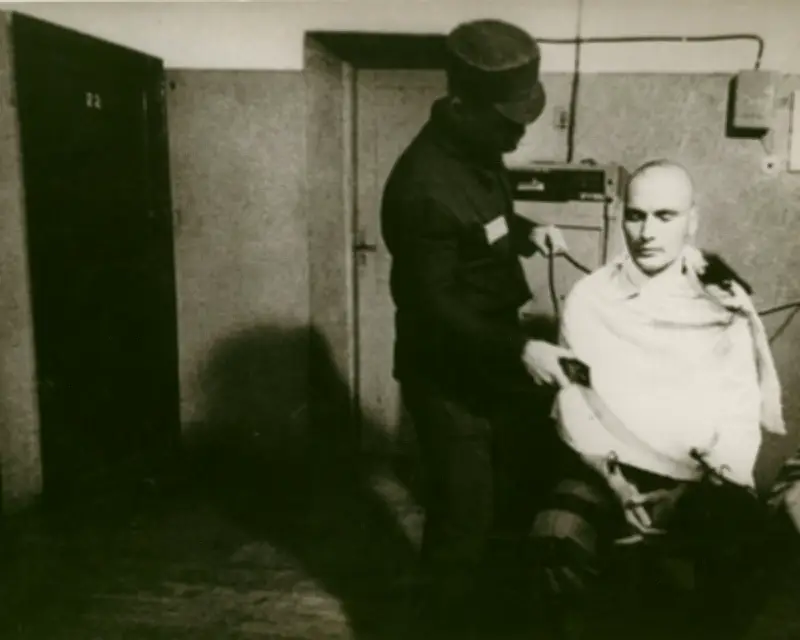
The first episode, subtitled with a line from Robert Frost – “Something there is that doesn’t love a wall” – begins and ends at Checkpoint Charlie on the Berlin Wall, which fell at the end of the decade. Cousins explores the theme of empathy, overcoming barriers of indifference and ignorance. He examines films that questioned the existing order, contributing to the collapse of the Soviet system. The episode features clips from Latvian director Herz Frank’s The Last Judgement (1987), a Dostoyevskian portrait of a death row inmate who claims to love all humanity, and Juris Podnieks’ Is It Easy to Be Young? (1986), which captures youth culture’s rebellious energy challenging Soviet mediocrity. In the West, Jan Troell’s Land of Dreams (1988) critiques Sweden’s conformist progressivism.
Detectives and Investigations: Chapter Nine
The second episode, subtitled “detectives,” focuses on investigative documentaries that demanded answers about the wartime past. Cousins highlights Marcel Ophuls’ Hotel Terminus: The Life and Times of Klaus Barbie (1988), comparing Ophuls’ sleuthing to TV detective Columbo – and includes a clip from a Columbo episode directed by a young Steven Spielberg. Claude Lanzmann’s Shoah (1985) and Michael Moore’s Roger and Me (1984) are also featured, with Cousins noting that Moore channels the spirit of Frank Capra. From Brazil, Eduardo Coutinho’s Twenty Years Later (1984) tracks a filmmaker’s search for the family of a slain socialist leader. In Japan, Kazuo Hara’s The Emperor’s Naked Army Marches On (1987) confronts Japanese war crimes using controversial reenactments.

Humorous and Downbeat Moments
Cousins injects humor with a clip from Abbas Kiarostami’s Homework (1989), where a child prefers watching The Wombles over homework. The episodes also touch on music documentaries, cheekily bookended by Jimmy Somerville and Bronski Beat’s iconic 80s sound.
While the series title suggests a focus on cinema, Cousins raises a question: were these documentaries primarily consumed on TV? The rise of Michael Moore in the 1980s led to a surge of theatrically released campaigning documentaries in the 2000s, inspired by Roger and Me. Cousins’ meditation remains rich and complex, offering new insights even for seasoned documentary enthusiasts.