Kabuki Theatre: The Ceremonial Art of Name Succession
In the heart of Japanese cultural heritage, Kabuki theatre stands as a vibrant testament to tradition, where the passing down of names across generations is not merely a ritual but a profound celebration of legacy and artistic continuity. This ceremonial practice, known as "shumei," is central to Kabuki, occurring every few years in theatres and special events across Japan, symbolising the deep-rooted values of succession and responsibility.
The Kikugoro Legacy: A Family Tradition
Currently, this ritual is unfolding with the eighth Kikugoro, who is receiving the esteemed name from his 83-year-old father, the seventh Kikugoro. This lineage traces back through generations, embodying a spiritual and professional inheritance. Kazuyasu Terajima, the younger Kikugoro, recently emphasised to reporters that assuming the name involves embracing the spirit and duties cultivated by predecessors. He articulated that Kabuki actors must carry forward and evolve inherited traditions, ensuring their passage to future artists.
Another illustrious name in Kabuki is Danjuro, with the 13th Danjuro's name succession taking place in 2022, highlighting the enduring nature of these familial artistic dynasties. Kabuki, originating in the 1600s, remains a lively and integral part of modern Japanese culture, as evidenced by its influence in contemporary media, such as the Oscar-nominated film "Kokuho," which set records in Japan's box office history.

The Art and Spectacle of Kabuki Performance
Kabuki performances are renowned for their dramatic narratives, featuring tales of samurai seeking vengeance or mythical transformations, all conveyed through a blend of live music, dance, and stylised acting. Notably, all roles are portrayed by men, adorned in vibrant costumes and elaborate makeup. Specialists in female roles, called "onnagata," and versatile actors like Kikugoro, who perform both genders, contribute to the art's unique aesthetic.
Western audiences often marvel at Kabuki's departure from realism, with actors employing dramatic poses known as "mie" to emphasise emotions like courage or escape. These moments are accentuated by rhythmic wooden claves and poetic, singsong delivery of lines. Live music sets the scene dynamically, from thunderous drums mimicking storms to gentle bells evoking butterflies, while revolving sets and acrobatic elements, such as wire-suspended actors, add to the visual splendour.
Costume changes occur onstage, sometimes with the aid of stagehands in black "kurogo" attire, transforming characters before the audience's eyes. This theatricality draws parallels to Shakespearean drama, with works like "The Love Suicides at Sonezaki" exploring universal themes of love and tragedy, albeit independently developed during Japan's isolated Tokugawa period.
Training and Future Generations in Kabuki
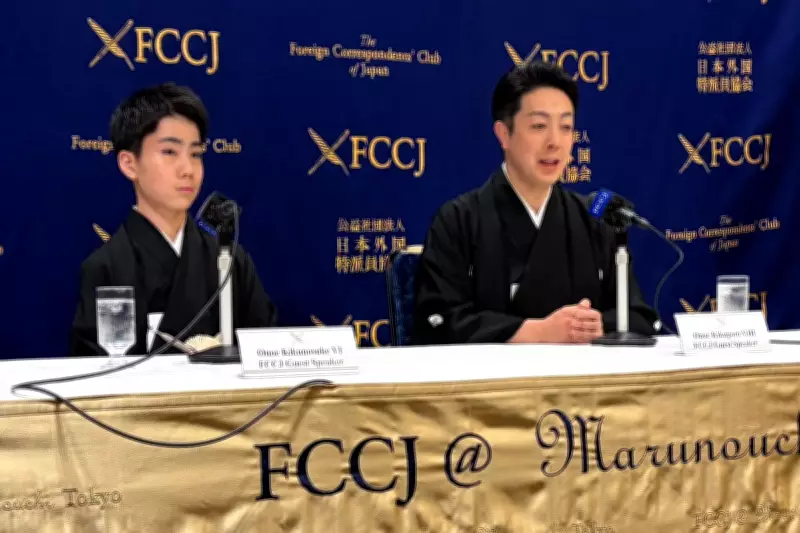
For Terajima, now 48, his role as Kikugoro was a birthright, with training beginning in childhood. He expressed unwavering gratitude towards his ancestors for creating enduring works, affirming his destiny without hesitation. At a recent event in Tokyo, he highlighted the importance of "kata," or the proper way of doing things in Japanese tradition, which serves as a model for future artists.
Sitting alongside his 12-year-old son Kazufumi, who will inherit the name Kikunosuke, Terajima underscored the rigorous demands of Kabuki, including physical discipline and mental fortitude. Kazufumi, while embracing his artistic path, also enjoys typical childhood interests like video games and music, yet maintains a professional demeanour beyond his years.
Despite concerns about Kabuki's survival, Terajima remains confident in its timeless relevance, asserting that the core spirit of human compassion, communicated through kata, ensures its continued vitality. As the shumei ritual progresses through this year, Kabuki's legacy of name succession continues to inspire, blending ancient customs with contemporary appreciation in Japan's rich cultural landscape.