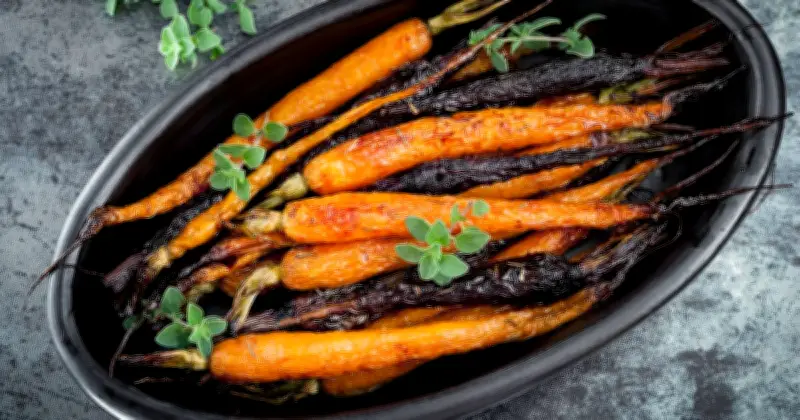
Carrots can be bland and mushy when cooked improperly, but culinary experts agree on one method that brings out their natural sweetness and delivers an 'amazing texture'. Stop boiling and discover the slow-cooking technique endorsed by professionals.
The Problem with Boiling and Steaming
Many home cooks rely on boiling or steaming for convenience, but these methods often result in disappointing, flavorless carrots. The key is to cook them slowly to enhance their inherent sweetness.
Chefs' Unanimous Choice: Slow Cooking
When Eating Well asked four chefs for their preferred carrot preparation, the answer was clear: slow cooking. This technique yields a superior texture and depth of flavor.
Simmering for a Glazed Finish
The owners of vegan restaurant Hey, Sunshine Kitchen recommend simmering baby carrots. Place them in a lidded pan with a small amount of water for two to four minutes. Then add butter (vegan or dairy), brown sugar, two teaspoons of fresh lemon juice, the zest of half an orange, two tablespoons of fresh orange juice, and a pinch of sea salt. Cook low and slow until the sauce thickens into a rich glaze.
Roasting Low and Slow
Executive chef Alex Moreno of The Hideaway in Beverly Hills favors roasting. He slices carrots into thick batons, similar to steak chips, and roasts them at 150C (300F) with olive oil and salt for about 45 minutes until soft and caramelized. After cooling, he crisps the edges in an air fryer at 200C (400F) for eight to ten minutes. Finally, toss with warm honey, fresh lime juice, lime zest, and flaky salt for a sweet, tangy, and savory result.
Sweet Preparations with Spices
Chopped judge Maneet Chauhan incorporates slow-cooked carrots into desserts. Her spiced carrot pudding recipe from the cookbook Chaat involves simmering grated carrots in water, then adding warm whole milk, cardamom, saffron, and sugar, reducing until tender.
Herb and Spice Pairings
Warming spices like cinnamon, clove, nutmeg, and cayenne complement carrots well. Savory options include rosemary, thyme, parsley, cumin, coriander, dill, garlic, and onion.