A collection of personal belongings belonging to Liverpool-born transgender pioneer April Ashley has gone on display at the Museum of Liverpool, offering visitors a more personal glimpse into the life of the trailblazing model and actress. The items include statement jewellery, decorative brooches, perfume bottles and travel souvenirs, reflecting the different chapters of her remarkable life.
Born in the Pitt Street area near the docks in 1935 and raised in Norris Green, April went on to become a Vogue model, actress and one of Britain's most prominent transgender pioneers. She was awarded an MBE for her services to transgender equality in 2012, having spent much of her life challenging prejudice and campaigning for greater recognition of the transgender community.
Glamorous Jewellery and Personal Keepsakes
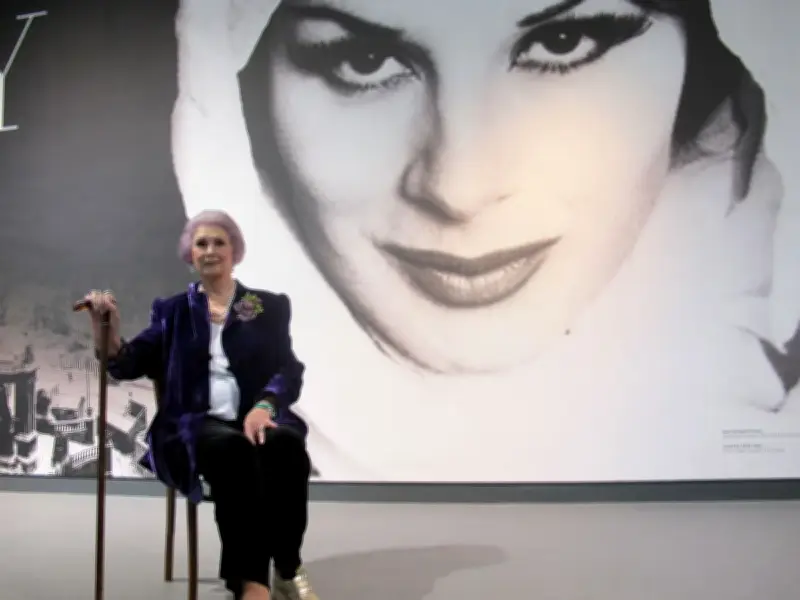
The objects are on display in the atrium of the Museum of Liverpool, alongside an iconic 2010 portrait of April by celebrated photographer Tim Walker. Among the items are glamorous pieces of jewellery which reflect April's well-known love of fashion, including a pair of chandelier drop Butler & Wilson earrings and a Union Jack ring.
Kay Jones, lead curator of urban and community history at National Museums Liverpool, said the items offered an opportunity to tell some of the lesser-known stories from April's life. She told the ECHO: “I think it’s important to tell different stories. The jewellery is very statement, blingy and glamorous, which is quite synonymous with April.
“In lots of her photographs, she looks incredibly glamorous and gorgeous and is wearing amazing jewellery. So I suppose that side is the more well known side of April.”
Everyday Keepsakes Reveal a Different Side
But it is some of the smaller, everyday keepsakes which Kay believes offer a particularly fascinating insight into the woman behind the public image. These include badges connected to causes close to April's heart, such as Greenpeace, WWF and an AIDS awareness ribbon in red and gold.
Kay said: “I think they very much show a different side to April. These are small everyday keepsakes, but obviously meant a lot to her, she's kept them for a long time.
“She worked for Greenpeace when she was in California, which is a story that people might not be that familiar with.
“They're gorgeous objects, but I think the Greenpeace badge for me kind of really sums up a real different kind of side to her story and her personality.”
Kay added that the objects demonstrated how April's interests and passions stretched far beyond the glamorous image for which she was widely recognised. She said: “They were causes close to her heart. I think for April, it was that activism, and I think it shows a lot of different people that you don't have to be on the streets protesting with placards and marches to make a difference.
“We can all make a difference ourselves, and she certainly did it in lots of different ways through just living her life absolutely authentically, challenging those preconceptions that so many different people had, and picking herself up after huge amounts of abuse after being outed in the press, and the horrible reactions from so many different people. She dusted herself off, reinvented herself and overcame those challenges.”
A Life of Challenges and Resilience
April's life was marked by significant challenges, including a high-profile divorce case which helped establish a legal precedent affecting transgender people. In 1963, she married Rt. Hon Arthur Corbett (later Lord Rowallan) in Gibraltar and ran his nightclub in Marbella, The Jacaranda. In 1970, their divorce set a legal precedent when the judge ruled it was not possible to legally change sex and therefore the marriage was annulled.
Despite facing abuse, she continued to rebuild her life, becoming a familiar face on television chat shows and using her public profile to raise awareness. After living for some years in Hay-on-Wye, Wales, in the 1970s, California in the 1980s, and then the South of France, April moved back to London, where she spent the final years of her life. April died in 2021, aged 86, and was laid to rest at Ford Cemetery in Litherland.
Kay described her as an "absolute trailblazer", whose resilience made her an inspiration to people across the transgender and non-binary communities. She said: "She became a real beacon of hope for a lot of people, particularly from the non-binary community and the transgender community.
"They saw someone who had overcome so many challenges in her life with incredible resilience and felt inspired by her.
"Her activism was very much challenging those stereotypes, those preconceptions. And I think for a lot of people, if they met April, they would soon grow to love her straight away.
"She had that larger-than-life personality, and the type of activism lots of people can relate to."
Continuing April's Story at the Museum
April's story was previously celebrated at the museum in its 2013 exhibition April Ashley: Portrait of a Lady, which attracted more than 900,000 visitors and was extended several times. When some of her personal belongings came up for auction earlier this year, the museum saw an opportunity to add to its collection and continue telling her story in a different way.
Kay said it was unusual for the museum to acquire objects through auction, with most of its collections coming from donations by local people. She said: "It was quite an exciting moment. We were really thrilled to get some items belonging to April and continue to tell her story, but in different ways."
The proceeds from the auction were donated to Alder Hey Children's Hospital, where April was treated as a child. Despite going on to enjoy an extraordinary life, Kay said April never lost her affection for the city where she was born.
She said: "At the museum, we champion local people from all different communities to help tell lots of different diverse stories.
"So the fact that she is from Liverpool and loved Liverpool, and because so many people from the city took her into their hearts, I think it's absolutely essential for us to continue to tell these stories, and hopefully they'll be inspiring new generations of people."
The objects are on display at the Museum of Liverpool until April 12, 2027.