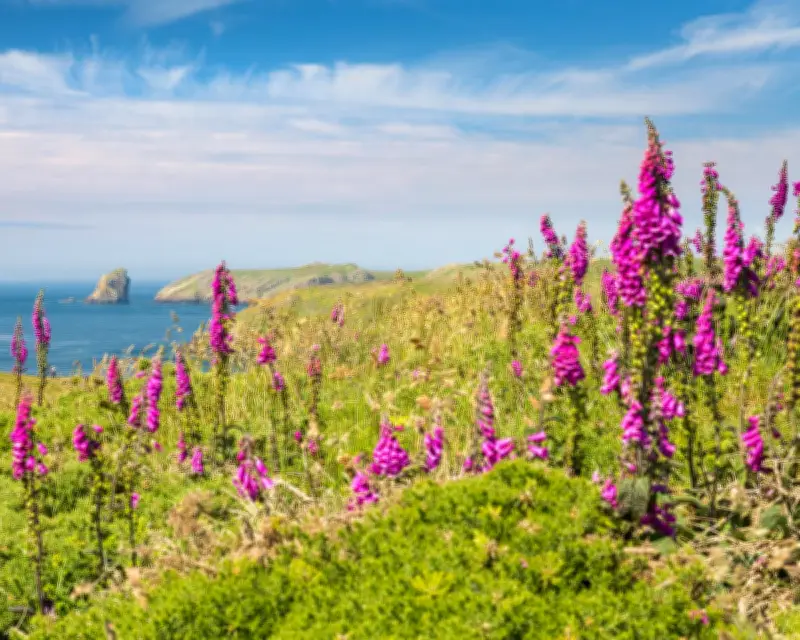
In July 1926, a country diary entry from Cornwall observed the prevalence of magenta-colored wildflowers across the landscape, noting that the hue—often deemed garish in artificial fabrics—appears strikingly harmonious in nature. The author remarked that foxglove spikes, set against a hazy sea, would have appealed to Claude Monet, who was known for seeking out blue-green tones paired with violet-pink.
Magenta in the Wild
The diary highlighted how many effective wildflowers, such as foxgloves, thrift, thyme, heather, ling, loosestrife, and various geraniums, display magenta in broad masses. Spring and summer orchises and knapweeds also contribute touches of this colour. The author noted that the recently faded masses of Rhododendron ponticum on the moor seemed more appropriate the better one knew them, and recalled Monet's painting of a lilac tree at dusk with blue-green grass under violet plumes.
Monet's Palette in Cornwall
The author speculated that a watercourse filled with loosestrife and yellow musk might not be Monet's choice, but felt sure he would appreciate the sparks of yellow potentilla among the heather and the daring splashes of orange lichen on the cliff where thrift grows thickest. The diary entry, originally published in the Guardian on 10 July 1926, captures the enduring connection between Cornwall's wildflowers and the impressionist master's colour sensibilities.