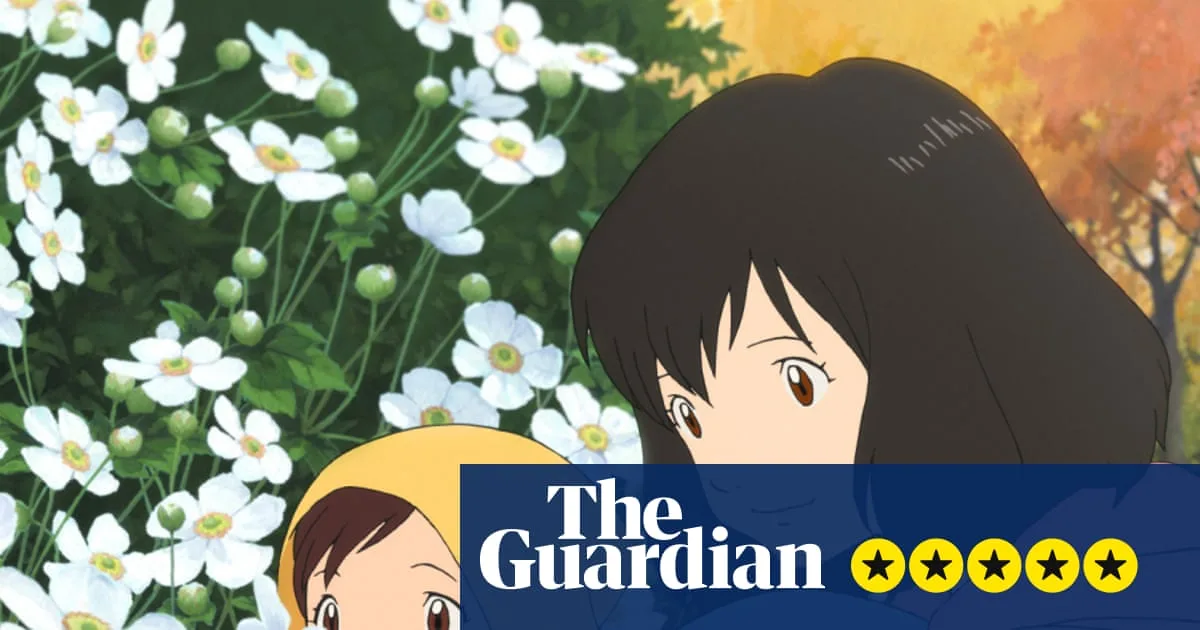
Mamoru Hosoda's 2012 film, Wolf Children, has been re-released in 4K and stands as perhaps his most emotionally resonant work. The film weaves together themes of single motherhood, neighbourliness, ecological conservation, and the journey to adult independence. It follows Hana, a young mother who moves her two werewolf children, Yuki and Ame, to a dilapidated country house after their father, a lycanthrope, is killed.
Hana raises her children alone, struggling to balance their human and animal needs. The children can transform at will, and Hosoda uses this conceit to explore love, the uncontrollable nature of children, innocence, puberty, and the necessity of letting go. Yuki, the daughter, is a wild child who eventually wants to fit in at school, while Ame, the son, is drawn to the mountains and his absent father's wolf heritage.
The film is indebted to My Neighbour Totoro in its setup but achieves a rawer sense of wildness and elation through its young-adult realism. Hosoda's storytelling is subdued compared to his other works, with stripped-back characters set against impeccably realist backgrounds. The film occasionally accelerates into hyper-real first-person sequences, such as when the siblings run through the snowy countryside.

Wolf Children is a modern classic, swept up in potent nostalgia for early parenthood, childhood, and nature itself. It is a beautifully drawn tale of love, loss, and letting go.