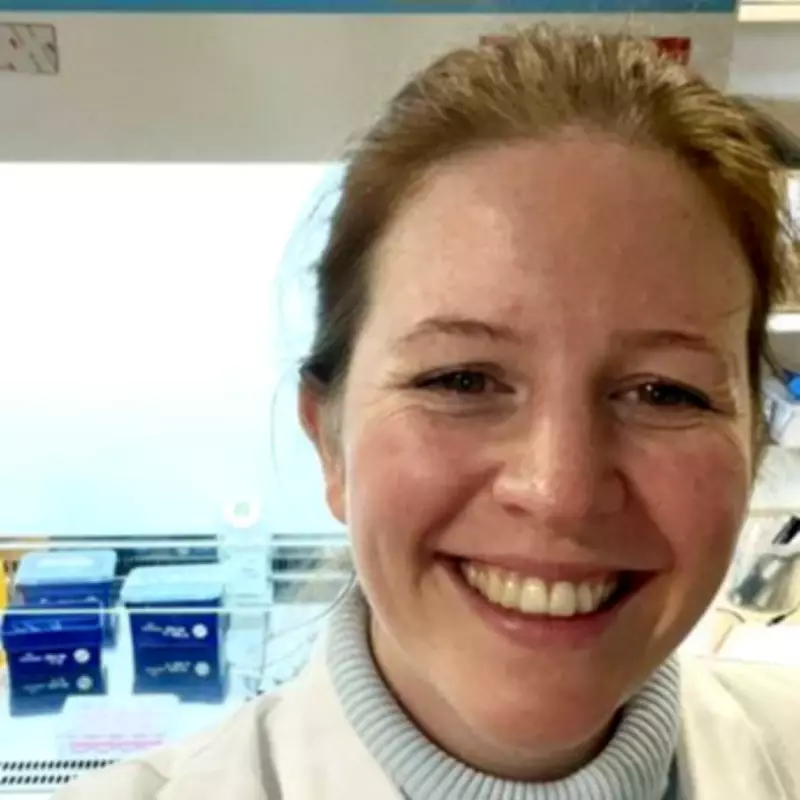
PhD Graduate's 200 Job Rejection Ordeal Highlights UK Graduate Employment Crisis
A highly educated woman with a doctorate in bio-engineering endured a gruelling 16-month job search, submitting more than 200 applications only to face repeated rejections—even for unpaid work experience positions. This left her in professional limbo despite a stellar academic record, now saddled with tens of thousands in student debt.
Academic Excellence Meets Professional Frustration
Sarah Dallas, aged 32, completed her PhD at the University of Edinburgh in July 2024, having previously earned a master's in the same field and a 2:1 undergraduate degree in animal sciences. Initially aspiring to an academic career, she shifted focus to industry science roles, assured throughout her studies that she was "on the correct pathway." However, her impressive qualifications did not translate into job offers.
Her student debt now stands at £75,810, having borrowed £47,787 initially, with £28,023 added in interest. Over 16 months post-graduation, she applied for "various" positions from entry-level to senior specialist roles, reporting that 90% of employers "never bothered" to respond. When feedback did come, it was often contradictory: she was deemed "overqualified" for junior posts yet "lacked the industry experience" for senior ones.

The Vicious Cycle of Overqualification and Inexperience
Sarah described the process as a "black hole" she couldn't escape. "At first, I was applying for jobs advertising for a masters and PhD," she said. "But I would get rejected because I lacked industry experience. So after a while, I started applying for more entry-level roles which only required an undergrad. And I still kept getting rejected because I was too overqualified."
She noted that hiring managers seemed wary of taking a "flight risk," and she felt her expertise was being devalued. Out of over 200 applications, only 10% received responses, with just three leading to interviews. To survive, she relied on part-time freelance editing for a science journal, earning up to £600 monthly, which forced her into an £8,000 overdraft.
A Hard-Won but Insufficient Breakthrough
In November 2025, Sarah finally secured an entry-level lab technician position paying £28,500 annually. However, she continues freelance work to "make ends meet," as the salary is "not enough" to cover living expenses in Edinburgh. She works at least 40 extra hours monthly freelancing, bringing her total income to around £2,400 before tax.
Her monthly outgoings include £1,025 for rent, £500 for bills, and £300 towards clearing her overdraft. This leaves her with only £50 to save each month, while she repays just £37 monthly on her postgraduate loan, having paid back £95 so far. "My main job's income is swallowed up on bills and debts while my freelance money is for actual living," she explained.
Broader Implications for UK Higher Education
Sarah's experience underscores a growing disillusionment among PhD holders. "There is some disillusionment that getting a PhD means you are guaranteed a career," she said. "But it doesn't—especially in the sciences where industry experience seems more valued than academics." She emphasised that more should be done to inform students about job market realities, urging prospective PhD candidates to research their field's requirements.
Despite the challenges, Sarah has no regrets about her PhD, calling it "genuinely interesting." She credits "essentially nepotism"—connections made during her doctorate—for helping land her current role. Yet, she warns others: "You invest all this time and money and it's hard not to feel defeated." Her story highlights systemic issues in graduate employment, where high debt and underemployment collide, leaving even the most qualified struggling to thrive.