Florida is set to require undocumented college students to pay international tuition rates, effectively barring many from higher education, according to a new rule approved by the state Board of Education. The policy, which takes effect immediately, mandates that students without lawful immigration status must pay out-of-state tuition, which is often three to four times higher than in-state rates.
Impact on Students and Institutions
The change affects an estimated 6,500 undocumented students currently enrolled in Florida's public colleges and universities, according to the Florida Policy Institute. For a typical four-year university, international tuition can exceed $20,000 per year, compared to about $6,000 for in-state residents. Advocates argue that the policy will force many students to drop out, as they cannot afford the steep increase.
"This is a devastating blow to thousands of hardworking students who have grown up in Florida and consider it their home," said Maria Rodriguez, executive director of the Florida Immigrant Coalition. "They will now be priced out of the education they have earned."
Legal and Political Context
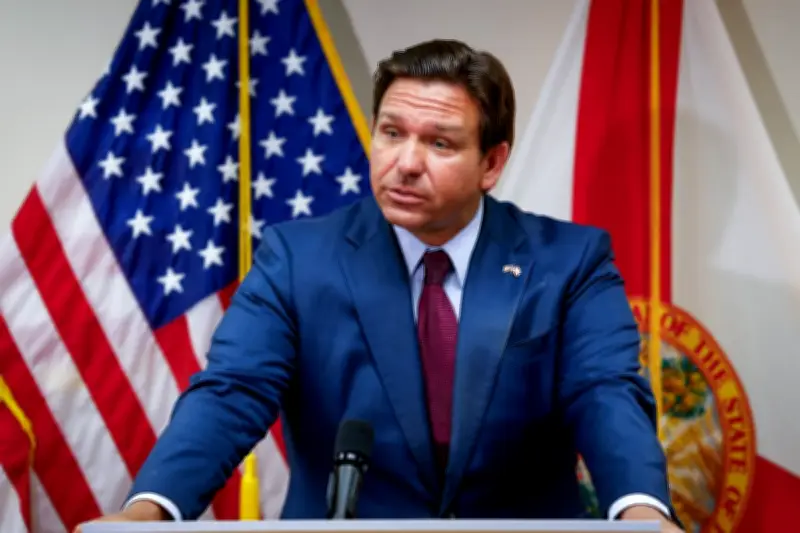
The rule reverses a 2014 policy that allowed undocumented students who attended Florida high schools for at least three years to pay in-state tuition. The state Board of Education voted 5-2 along party lines, with Republicans supporting the change and Democrats opposing it. Governor Ron DeSantis, who appointed the board members, praised the decision, stating that it ensures Florida's taxpayer-funded institutions prioritize legal residents.
"Our state should not be subsidizing the education of individuals who are here illegally," DeSantis said in a statement. "This policy protects the interests of Florida families."
Economic Consequences
Critics warn that the policy could have significant economic repercussions. The Florida Policy Institute estimates that the state could lose up to $50 million annually in tuition revenue and related spending if undocumented students leave college. Additionally, the state may face a shortage of skilled workers in fields like healthcare and technology, where many of these students pursue degrees.
"These students are our future nurses, engineers, and teachers," said state Senator Annette Taddeo, a Democrat. "By shutting them out, we are hurting our own economy."
Reactions and Next Steps
Immigrant rights groups have vowed to challenge the policy in court, arguing that it violates the equal protection clause of the U.S. Constitution. Meanwhile, some college administrators have expressed concern about the logistical challenges of implementing the new fee structure. The University of Florida and Florida State University have said they will comply but are reviewing the policy's impact on their student bodies.
The policy also bars undocumented students from receiving state financial aid or scholarships, further limiting their options. For many, the dream of a college degree now seems out of reach.