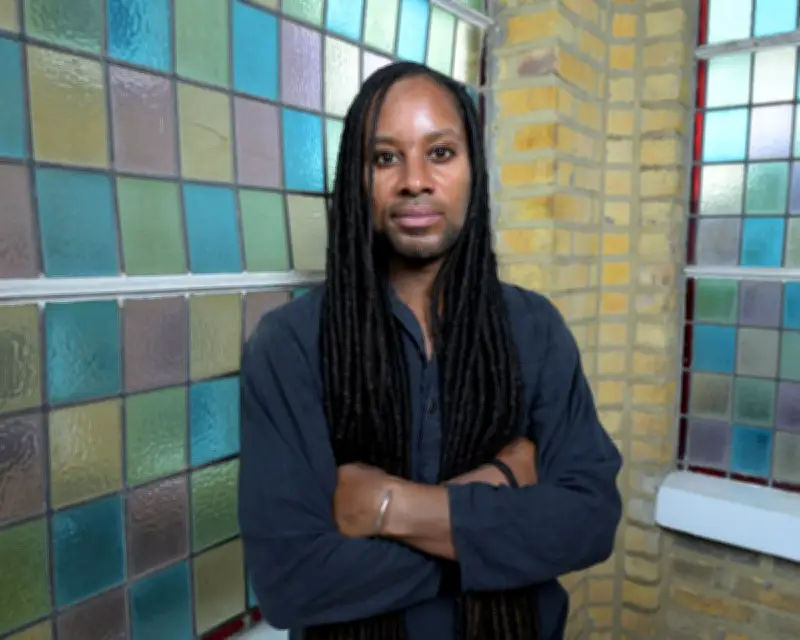
Jason Arday has resigned from his position at Cambridge University following continued revelations about the veracity of some of his claims. The 41-year-old sociologist, who was the youngest Black professor at Cambridge, faced allegations of plagiarism in his PhD thesis and embellishments in his personal achievements.
Allegations and Investigation
The Telegraph reported that more than 100 passages of Arday's thesis closely resembled the work of another student. Two academics, Nathan Cofnas and David Harris, had been complaining about Arday, both of whom had previously expressed controversial views on race. Arday rejected the plagiarism claims, and an investigation by Liverpool John Moores University, where he completed his doctoral research, did not uphold complaints against him. Cambridge University had previously defended Arday, labelling complaints a "vile smear campaign to undermine his credibility."
However, a Guardian investigation by Lanre Bakare detailed further claims. Senior academics told Bakare the plagiarism allegations held. "I think it's plagiarism and it's obvious," one said. "There is, in my judgment, a case to answer here," said another.

False Claims and Threats
Bakare's reporting also examined other statements Arday made about his life and career. Arday claimed to have completed 30 marathons in 35 days, run 600 miles in six days, and raised £5m for charity, accomplishments he altered on questioning. Arday also told the Guardian he had been the target of violent threats, including a severed pig's head sent to his family home and twice confronted by an intruder on Cambridge property. Despite extensive investigation, the Guardian was unable to find evidence to support these claims.
When asked about this, Arday stood by his story: "To be honest with you, I thought you'd just believe me. Why would I lie?"
Institutional Response
On Wednesday, Cambridge University announced it was opening an investigation into Arday. Senior dons demanded an inquiry. Arday said, "I am accountable for the mistakes I've made," adding, "the positioning of me as this kind of liar and fantasist is totally unacceptable."
Nesrine Malik, a Guardian columnist, sees the case as reflecting broader issues in academia. "It's difficult not to feel this is about all of us," she said. "There is a way in which one has been indulged, held to different standards to white peers, in this post-Black Lives Matter eagerness on the part of liberals to accessorise and to tokenise with Black people."
Malik argues that institutions, primarily staffed and led by white people, looked for ways to do the high-visibility, low-impact bare minimum after BLM. "It appears that so much was allowed to pass, both in terms of alleged plagiarism and sloppiness, because the reward was having a Black person from such a completely different background burnish the institution's credentials."
Arday's memoir, Great and Unfortunate Things, is due to be published this month. It details his remarkable story: raised in a south London council house, diagnosed with autism and global developmental delay, learning to talk at 11 and read at 18, and becoming Cambridge's youngest ever Black professor at 37.