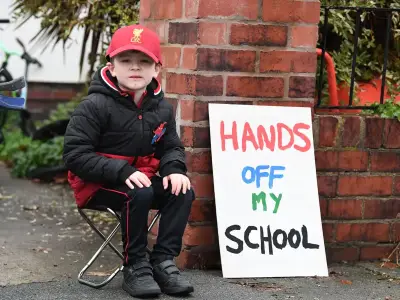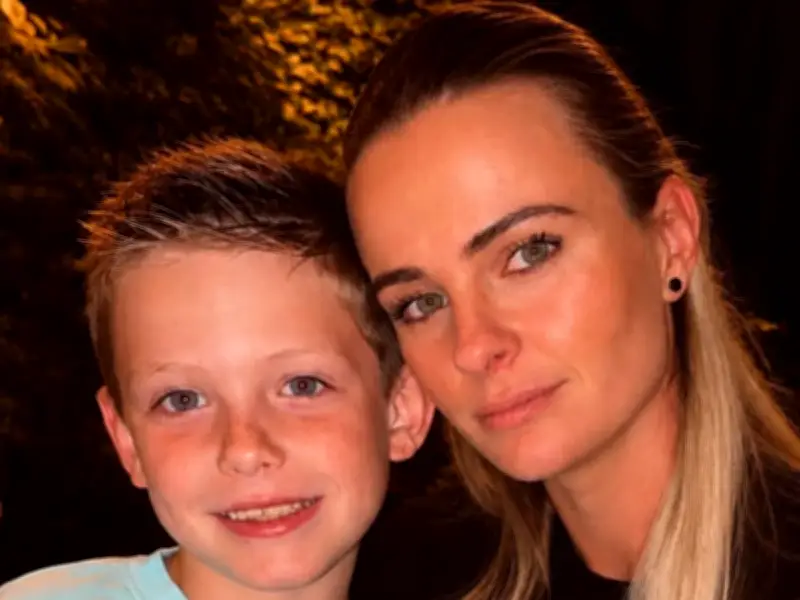
Joanne Harris, from Newcastle, has detailed an 18-month struggle with Newcastle City Council over special educational needs provision for her eight-year-old son Riley, who has autism and ADHD. She said the ordeal has left her with more questions about his education.
EHCP application and early concerns
Riley previously attended St John Vianney Catholic Primary School. Joanne said she had to apply three times to the local authority before obtaining an Educational, Health and Care Plan (EHCP) in June 2025. The EHCP is a legal document outlining the support he requires in a school setting.
In the months that followed, Joanne raised safeguarding concerns about incidents involving other pupils, supervision, and the impact on Riley's emotional wellbeing. He was placed on a reduced timetable, and an early review of the EHCP was held in response.
Joanne said: "I contacted the council over and over after that, submitting my first formal complaint, which did not progress formally at that time. I repeatedly raised concerns over the support in Riley's EHCP not being provided, and exhausted the school's complaints procedure."
Breakdown of trust and placement search
A second meeting took place, by which point Riley was masking his difficulties at school, with his anxiety and distress manifesting more at home. Joanne said this led the school to believe he had made more positive progress, when this was not the case, and she felt the relationship between herself and the school had completely broken down.
Joanne then stepped up her search for an alternative placement. After three refusals at panel hearings, the decision was overturned following senior intervention, and a placement at North Fawdon Primary School's Additionally Resourced Provision was agreed.
Throughout this period, Joanne said Riley was in limbo, with his "emotional wellbeing deteriorating" and his "dysregulation escalating". She also had to work to obtain transport assistance for Riley, which was eventually secured. Despite this, she said his EHCP remains inaccurate in her view.
Ongoing concerns and council response
Joanne added: "Riley's difficulties have impacted his education, emotional wellbeing, confidence and daily functioning, and a change of placement does not undo the consequences of this. I worry for the parents who do not know their rights, as a child's access to appropriate education and support should not depend on their parent's capabilities."
She continued: "This is about accountability, meaningful change, and ensuring that children receive the education, support and protection that they are entitled to. Riley eventually secured a specialist placement, but his needs are still not fully addressed, the consequences of what he experienced remain, and many of my questions are still unanswered."
A Newcastle City Council spokesperson said: "We cannot comment on individual cases. We work within the statutory framework for supporting children and young people with special educational needs and disabilities (SEND), in partnership with schools, parents and carers.
"Our aim is always to ensure that support that is tailored to a child or young person's assessed needs. While we recognise that parents and carers may not always agree with decisions that are made, there are established routes for concerns to be raised and reviewed, including a clear appeals process."
A spokesperson for St John Vianney Catholic Primary School, part of the Bishop Bewick Catholic Education Trust, added: "The school takes its responsibilities towards the education, wellbeing and individual needs of all pupils extremely seriously.
"The concerns raised by Riley's parent were considered through the school's formal complaints procedure, with the complaints not upheld. This process included consideration by an independent panel and provided an opportunity for the school to explain the actions it had taken and the support it had put in place."