The Hague, a Dutch city widely associated with international war crimes, surprised Daisy Wyatt with its historic charm, royal palaces, and a peaceful atmosphere that feels a world away from its reputation.
Known as the Netherlands' administrative centre, the city exceeded expectations. Instead of conference centres and modern architecture, Wyatt found 17th-century royal palaces, Gothic castles, and cobbled streets, with barely a modern complex in sight.
A Compact Alternative to Amsterdam
The Hague is similar to Amsterdam but without the crowds. Locals describe it as a more authentic Dutch city and praise it for being less busy. With half the population of the capital, it is compact, flat, and easy to walk around, just a 40-minute train ride from Amsterdam.
The royal palace, Noordeinde, serves as the official workplace of King Willem-Alexander and Queen Máxima. On the day of the visit, no guards were present, indicating the royal couple were away, likely at their private residence in the woods outside the city.
Art and Architecture in the City Centre
The Mauritshuis art gallery houses The Girl with a Pearl Earring and works by Golden Age artists including Rembrandt, Rubens, and Van Dyck. Unlike Amsterdam's Van Gogh Museum, it does not require booking weeks in advance.
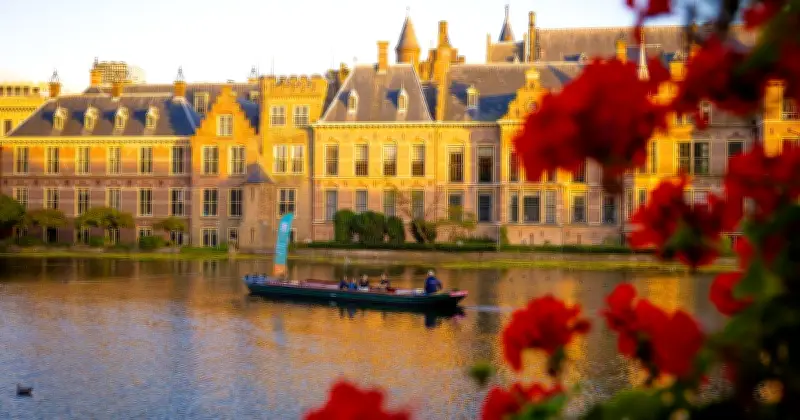
The gallery sits beside the Gothic parliament overlooking a lake, where a turret with a spire serves as the prime minister's office. The views are stunning and free, adding to the fairytale feel.
Dining and Local Experiences
After checking in at Tribe Den Haag, a design-led hotel opened in 2026, Wyatt visited De Passage, the Netherlands' oldest shopping arcade, for lunch at 6&24. This fine-dining restaurant, run by local Saskia and her chef-husband Rick, sources 80 per cent of ingredients locally, including its Dutch wine list.
The meal featured a traditional potato dish with apple and red onions, quail with fermented blueberry sauce, and a selection of five Dutch cheeses. The food and drink tour continued at the Van Kleef distillery, where an enthusiastic owner explained the history of the Dutch gin jenever, dating back to the reign of William of Orange.
Dinner took place on board the Tram Restaurant Hofftramm, a moving tram with a working kitchen, where diners enjoy a four-course meal over two hours. The route passed the Peace Palace, home to the International Court of Justice, and Scheveningen beach, leaving Wyatt to reflect that it is hard to believe The Hague could ever be associated with war crimes.