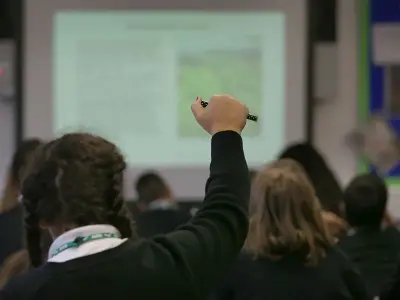
Schools in England will be required to ensure students cannot access their mobile phones at any point during the school day, under strengthened statutory guidance published on Tuesday. Teachers will be told they must make sure pupils cannot access their phones at all, with no exceptions, as part of plans to create distraction-free classrooms.
Smartphone use is already banned in schools, but rules vary across the country. Most schools advise pupils to keep phones in their bags under a "not seen, not heard" policy. However, polling by the Department for Education found that only 16% of secondary pupils say phone rules are followed all of the time.
How Schools Will Implement the Ban
Schools will have the freedom to choose how best to implement the new guidance, which comes into force from September next year. Current examples include students using lockable pouches, handing their phones in on arrival, storing them in secure phone lockers, or being banned from bringing them onsite altogether.
No new funding is expected to be committed to help schools transition, which has sparked criticism from teaching unions. Teacher Tapp data from September found that 39% of secondary schools use mandatory collection policies, up from 19% in 2025. Of schools with these policies, 60% reported using pouches, 10% lockers, and 29% collecting phones.
Examples and Reactions
Examples include a secondary school in Hull, where pupils lock their phones in personal pouches that can only be unlocked by magnets situated outside the school gates when they leave. Earlier this year, Liberty Academy said its phone-free policy made a "phenomenal difference" and students were now socialising better with one another.
The crackdown comes ahead of the publication of Alan Milburn's landmark review into young people not in education, employment, or training. His report has warned that disengagement can begin as early as 12 or 13 years old, with children saying they stayed up as late as 3am scrolling on their phones.
Government and Union Statements
Ministers have also launched a consultation on the use of technology in the classroom, including exploring independent safety certification for products carrying out high-risk processing of children's data and student-facing generative artificial intelligence. This follows reports that more than 300 teachers, parents, academics, and doctors have written to Andy Burnham urging him to halt plans to roll out AI tutoring tools in schools.
Education Secretary Lucy Powell said: "Children should not be using smartphones at any point during the school day, full stop. That's why we're strengthening our guidance to take the next leap towards truly phone-free schools. Schools are already leading the way. We're backing heads and teachers with a clear message for parents and pupils: school is for learning and friendship, not scrolling."
Dame Rachel de Souza, Children's Commissioner for England, said: "I welcome strong action to stop phones distracting pupils and disrupting the school day. We all have a responsibility to make sure young people can explore the online world safely, but they also need and want more opportunities to learn, connect and play without the need for a screen."
Paul Whiteman, general secretary at school leaders union NAHT, said: "If schools are to implement some of the more robust measures suggested in this guidance, they will need access to additional funding and support." Pepe Di'Iasio, General Secretary of the Association of School and College Leaders, said: "If all schools are going to be expected to have lockable pouches or other secure storage facilities for every pupil, the cost involved will be very significant indeed. This is not feasible unless the government puts in the funding required to meet these costs."