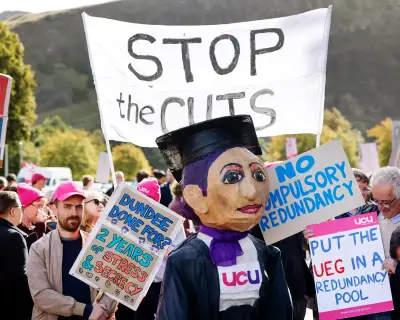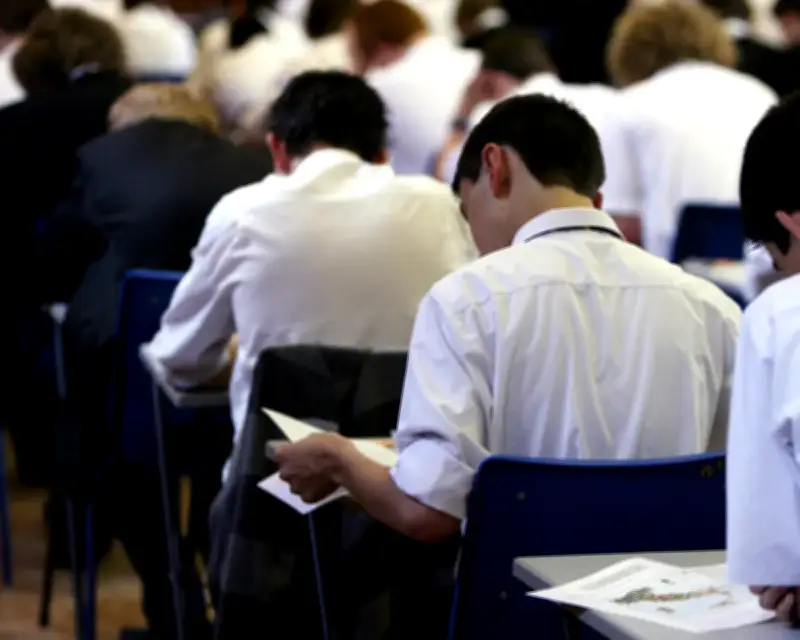
Compulsory GCSE resits in English and maths, a policy introduced by Michael Gove, are set to end in 2028 under Labour, replacing them with a new functional skills qualification. This change comes after years of evidence showing the resit system damages the prospects of thousands of 16-year-olds.
On GCSE results day, the focus is on smiling students, but an invisible third of 16-year-olds in England failed their maths and English GCSEs. That is 360,000 students failed in a system designed by Gove as education minister to mark out winners from losers.
The failure of the resit system
Once failed, this one-third must resit English and maths to do any other course. Colleges cannot provide them with a fresh start, as they are refused funds for any student not taking repeated resits. Only about 17% of resitters ever pass.
David Hughes, head of the Association of Colleges, points to the waste: of the 16 teaching hours a week for students on post-16 study courses, resitters must be taught seven hours of English and maths that most will fail. That leaves just nine hours for vocational courses. UCL research shows the damage done: self-confidence is lost, many drop out altogether. Wales and Northern Ireland, where resits are not mandatory, do not see this.
Labour's new approach
Both the previous education secretary, Bridget Phillipson, and the current, Lucy Powell, understand the damage caused by this Gove-devised system. Finally, compulsory resits will end in 2028. Instead, those who fail can take a new "stepping stone" qualification in functional maths and English, proving adequate literacy and numeracy skills.
An ideological dispute remains among Powell's advisers. They will still make every 16-year-old take English and maths GCSE in the first place, even if they will probably fail. Andy Burnham's Greater Manchester baccalaureate (MBacc), which offers vocational courses suited to local employers alongside academic subjects from age 14, is being spread nationally. But ideological purists think dividing students early between GCSE and stepping-stone groups sets up two-tier discrimination.
Gove's defence and the wider context
Gove sticks to his resits policy, calling Burnham's approach "bring back stupid". But had he invested in nursery education, there might be fewer 16-year-old failures to bully now. New research from the Institute for Fiscal Studies shows entering childcare one year earlier gives an average 10% improved maths score by age 14 to 15, and a 28% higher score for those with a mother without qualifications.
Labour's emphasis on skills has been infectious, with a surge in applications to technical courses, while university applications still rise by 3%. Alan Milburn's commission to solve the crisis of 1 million Neets has real policy steam behind it.
Further education challenges
Further education (FE) has a lot of catching up to do. Despite recent extra funding for colleges, it still doesn't cover the entire cost of any extra student accepted. An additional 25,000 are expected to enrol this autumn, and colleges lack space and staff after cuts in the Tory years: over-19s adult education fell from £5bn in 2002 to £1.5bn in 2025.
Hughes says recent extra money for pay "only stopped the gap getting wider", when FE staff are paid £10,500 less than school teachers. He asks why colleges pay VAT costing £200m, while schools are reimbursed. The spur of Labour's new growth and skills levy is incentivising employers to take on beginners, but as applications quadrupled for degree apprenticeships, places have halved.
Neets on benefits are barred from full-time courses, and Neets who need driving licences for jobs find the waiting time for a driving test is 21 weeks or more. Burnham's eloquence on valuing "the hard hat as much as the academic cap" has raised FE spirits. Talking to college heads, they see that Labour knows what to do. As ever, the problem is overcoming Britain's low esteem for technical education.