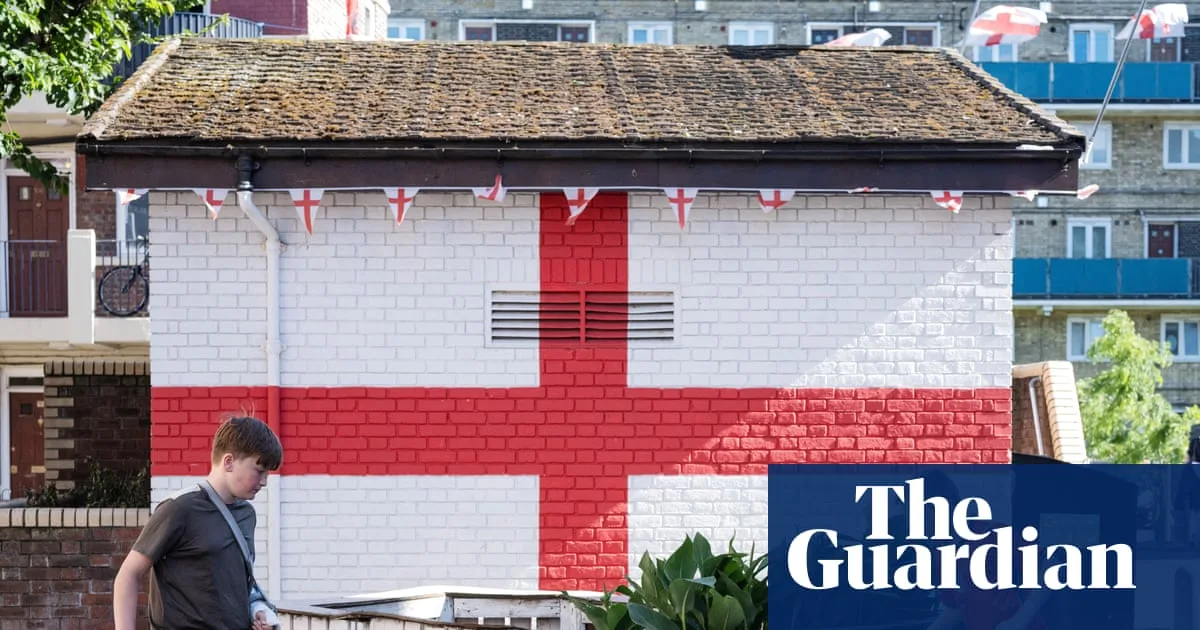
The St George's cross has become a contested symbol in England, caught between far-right nationalism and football fandom. As the World Cup begins, communities are reclaiming the flag, but its association with anti-immigrant groups persists. Last summer, the flag was co-opted by groups like Raise the Colours, leading to councils removing flags and politicians weighing in.
Politicians have sent mixed messages. Nigel Farage and Kemi Badenoch defended the flags, while Keir Starmer initially encouraged them but later condemned their use by far-right figures after the Unite the Kingdom rally. The flags remain a fixture in areas like Southey Green, Sheffield, where lamp-posts display multiple flags, and a confrontation occurred at a school when young men tried to put up flags.
Residents in Southey Green, which swung from Labour to Reform, are mostly in favour or indifferent. However, the flag's dual meaning—as a symbol of both national pride and division—continues to cause anxiety, especially as far-right protests and football celebrations coincide this summer.