Ofsted's inspections of state schools in England remain a fiasco despite supposed improvements, with inspectors still obsessed with statistics and adjectives rather than the success that depends on teachers and parents.
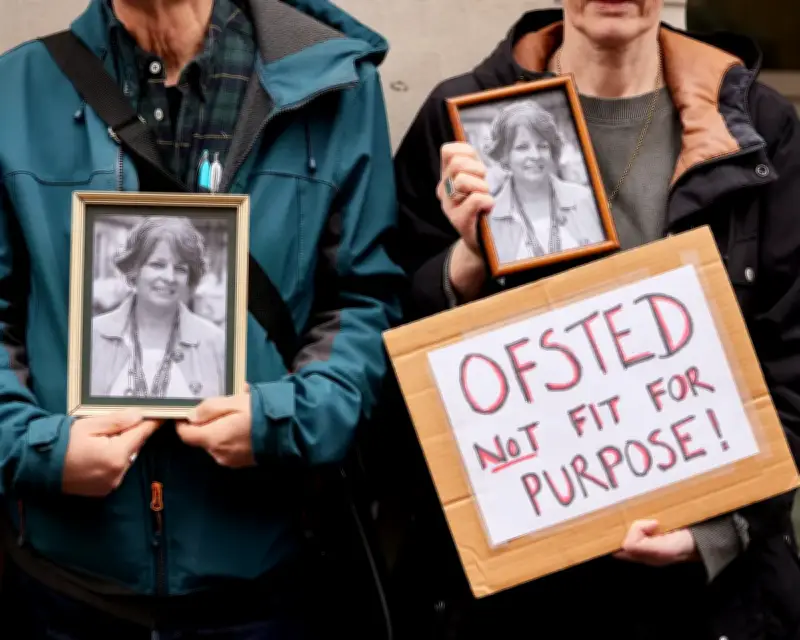
Following the 2023 suicide of Reading headteacher Ruth Perry, after her school was downgraded from outstanding to inadequate, Ofsted replaced single-word grades with colour-coded report cards that use a wider range of adjectives to grade abstractions such as personal development, wellbeing, achievement and leadership. The concept of "education" has never seemed so empty.
Teaching profession's devastating reaction
The reaction of the teaching profession to the new code has been devastating. A recent survey showed more than half of headteachers in England polled after their schools were inspected under Ofsted's new regime are now considering early retirement as a result of the experience. A poll conducted by the National Education Union one year on from the introduction of the new framework found 65% saying it is the same as or worse than before.
Paul Whiteman, leader of the National Association of Head Teachers, has called for an immediate halt to Ofsted's visits. "The clear theme emerging across all the feedback we have received is that this Ofsted framework is even more stressful than the one that preceded it," he said. "It poses a real and present danger to the well-being and mental health of school leaders and teachers, possibly even a risk to life."
Education secretary Lucy Powell has said she takes the reaction to the inspections "incredibly seriously" and wanted to see a system that was "more supportive" to staff.
History of centralised control
Schools used to be local institutions that belonged to the community. Bringing state-maintained schools under central government control in England and Wales began in 1988 with Thatcher's national curriculum reforms. In 1992, John Major created Ofsted to enforce it and began a national league table of secondary schools judged by exam results. The dynamic of secondary education became "to teach the exam", sidelining sports, art and music.
By the time of Tony Blair, the resulting avalanche of Whitehall regulations was said by a teacher friend to fill a wheelbarrow every school term. Vocational and technical education were demoted in favour of academic and university-oriented subjects. The nation's performance in the international Pisa league tables became as competitive as the Olympic Games.
Impact on staff and pupils
Ofsted inspectors descend on schools, usually once in four years, with usually just 24 hours' notice. They are armed not with advice or money but with exam statistics and adjectives, reducing the teaching profession to a production line. The trauma experienced by staff has been an inevitable consequence. Perry's sister says she has been contacted by 12 other heads saying they too have felt suicidal after glib dismissals of their work.
Since the outbreak of Covid about 20% of children in England in year 9 are "persistently absent" from school, a statistic that points to the cause of the current Neets crisis.
The success of a school is largely a function of its relationship with its local area, depending on the reputation of its staff and their collaboration with parents. When schools were locally owned and run prior to Thatcher's nationalisation, these relationships were built into their governance and a school's success was a feature of local pride. The UK was recently rated only the 16th "happiest country" in Europe, reflecting its distant and heavily centralised public sector.
Nobody needs Ofsted. Andy Burnham should move to devolve schools to the communities they serve and on which they should in future depend. Inspecting the professional quality of their work should be a local matter.