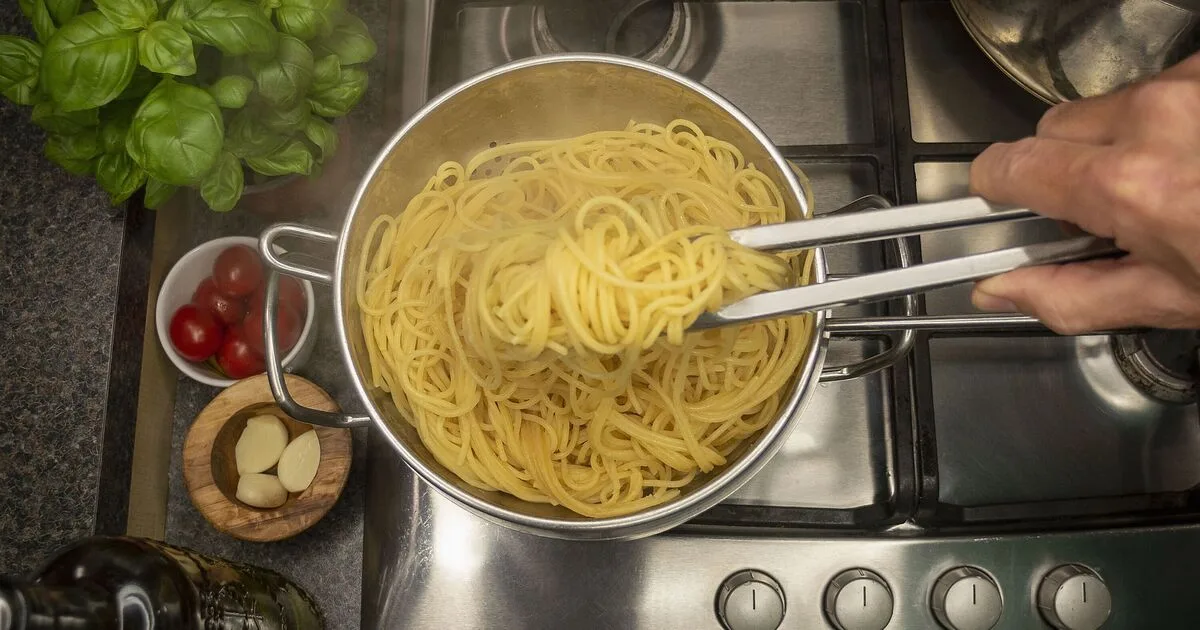
Pasta, in all its varieties, can be remarkably challenging to cook properly. Spaghetti and linguine prove particularly troublesome. Undercooked spaghetti is unpleasantly tough and won't pair with a sauce properly, while leaving it on the heat for just a minute too long will result in a sticky disaster.
Expert Advice from a Michelin-Starred Chef
Marco Pierre White, who secured prestigious Michelin stars early in his career at establishments including Harveys and The Restaurant Marco Pierre White in London's Park Lane, offers a handful of straightforward rules for anyone looking to achieve that perfect al dente texture that would win approval from any Italian guest.
Start with Deep Water and Generous Salt
His first tip, he explains, is ensuring you're working with a sufficiently large pan: "The secret when you cook pasta is deep water," he says, noting that the second step involves adding a "generous amount of salt". Most Italian chefs recommend no less than five litres of water for every pound of pasta, which explains why their kitchens feature such enormous pans. Rather than a modest sprinkle, Marco tosses a generous fistful of sea salt into his pan of bubbling water. "There's no need for olive oil," he adds.
The Crucial Timing Change
However, the crucial secret, he emphasises, lies in your timing. Just sixty seconds either side can mean the difference between success and catastrophe. If the suggested cooking time for your pasta is eight minutes, Marco recommends cooking it for seven: "You may ask why," he says. "I take my pan of pasta, drain it, remove the water into the sauce, work the sauce through the pasta... By the time it gets to the plate it's cooked another minute. If you take it out of the pan when it's perfectly cooked," Marco stresses, "it's overcooked."
Finishing Touches
It's only once the pasta has left the pan that Marco drizzles over a generous glug of olive oil, accompanied by another substantial pinch of salt. He insists that despite what certain purists armed with their own pasta machines might claim, there's absolutely no shame in purchasing ready-made pasta: "Why waste time making pasta in your kitchen? Put your energies where it counts."
The Sauce and Cheese Philosophy
Marco also plays down the significance of pasta sauces: "Remember the pasta is the hero not the sauce," he says, cautioning against drowning the pasta in sauce: "When you make pasta it should almost be like dressing a salad." He explains that the secret to maximising the flavour of your sauce is to "work it through" properly, guaranteeing that every mouthful of pasta includes at least a modest amount of sauce. When it comes to sprinkling parmesan as a finishing flourish, however, Marco is far from restrained. Suggesting you use "a bit of" the classic Italian hard cheese to complete your pasta dish, the experienced chef demonstrated his interpretation by piling an enormous handful of the stuff on top of his creation. Marco finished his pasta dish with some chopped fresh basil and, once more, there was no holding back. He used an absolute mountain of Genovese basil - the vital ingredient of a pesto - to give his pasta that genuine Italian flair.