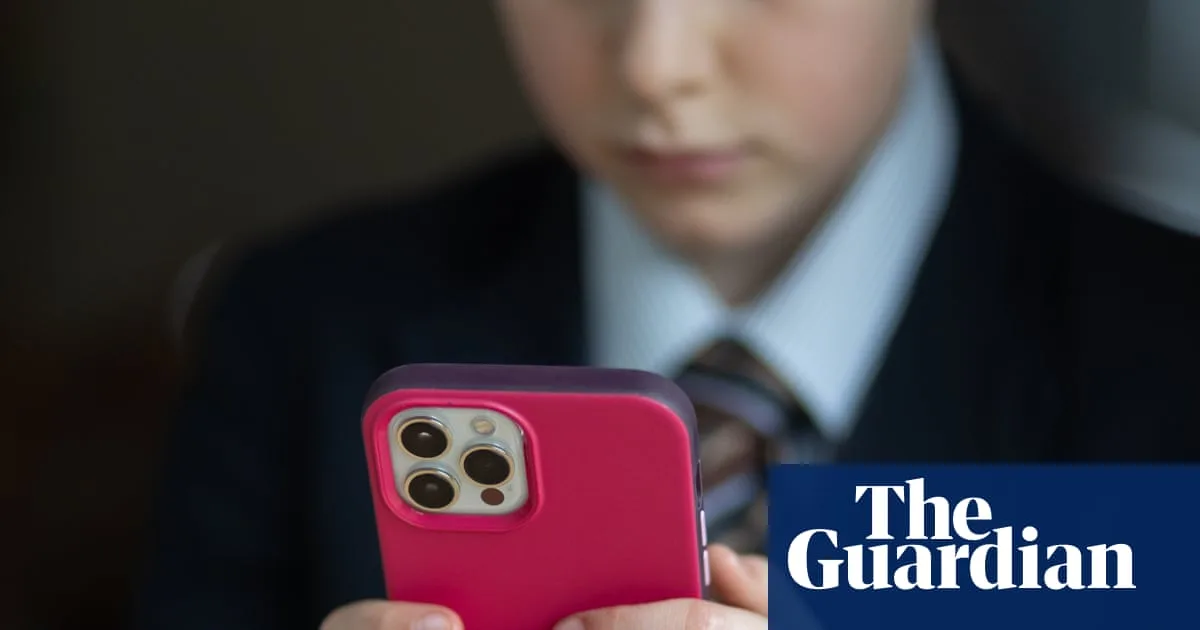
The largest study ever conducted on school cell phone bans has delivered mixed results, revealing that while teachers report fewer distractions when phones are locked away, the bans do not quickly lead to improved academic performance or better behavior as many advocates had hoped.
Study Overview
The research, led by scholars from Stanford University, Duke University, the University of Michigan, and the University of Pennsylvania, analyzed data from Yondr, a California-based startup that produces lockable pouches for schools and other venues. Published Monday by the National Bureau of Economic Research (NBER), the study examined approximately 4,600 schools, making it the first nationally representative analysis of cell phone bans.
Unlike previous research that relied on school policies asking students to keep phones hidden, this study used actual data from locked pouches. Thomas Dee, a Stanford economist who co-led the study, noted that no-show policies are inconsistently enforced and unsuitable for research. “We wanted to leverage the data from Yondr because it gives us much more confidence that in-school use of phones is actually being restricted,” he said.
Context and Background
A 2024 Pew Research study found that about one in three teachers consider cell phone distractions a major problem, with the figure rising to 72% among high school teachers. More recently, 74% of U.S. adults supported banning cellphones during class for middle and high school students, up from 68% last fall. This momentum has been fueled by psychologist Jonathan Haidt, author of The Anxious Generation, who argues that social media and smartphone use have contributed to a rise in mental illness among teens. Currently, at least 37 states and the District of Columbia require school districts to restrict or ban phone use.
Five Key Findings
1. Phone Bans Reduce Usage
Teacher surveys in schools with bell-to-bell bans showed that the share of students using phones for personal reasons in class dropped from 61% to 13%. GPS data also indicated a significant decline in device pings, with a roughly 30% drop by the third year after pouch adoption. However, researchers caution that the data includes adult use and pings from idle phones, but still suggest a substantial reduction in student phone use.
2. Discipline Initially Worsens, Then Improves
In the first year of adoption, schools saw about a 16% increase in suspension rates, both in-school and out-of-school. This effect faded in subsequent years, likely reflecting stricter enforcement and students turning to other disruptive behaviors initially.
3. Student Well-Being Declines, Then Rebounds
Subjective well-being dropped in the first year but recovered by the second year, turning positive. Dee noted that while initial well-being dips and discipline rises, “within three years, students’ well-being is actually above what it was at baseline.”
4. Minimal Academic Gains
Average effects on standardized test scores were “consistently close to zero” across the first three years, with similar results across subjects. Dee described these findings as “sobering” and somewhat disappointing.
5. Attendance, Attention, and Bullying Unchanged
Effects on attendance were negligible, and researchers found no measurable improvements in perceived online bullying or self-reported classroom attention.
Long-Term Outlook
Dee emphasized that the study captures only the early stages of phone bans. He noted that newer cohorts adopting bans in 2022, 2023, and 2024 have shown short-term test score increases, possibly due to changing social attitudes. “The entire social context around which we understand phone bans may be changing,” he said.
Ultimately, phone bans achieve their primary goal of reducing student phone use. Dee believes that recapturing classroom attention is a critical first step toward realizing academic potential. “We need to not succumb to the usual faddishness that permeates education reform,” he added, “and persist with a robust learning agenda.”