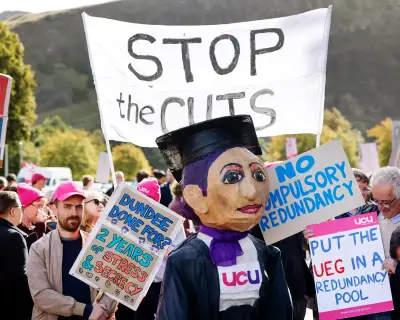
Letters to the editor have responded to the financial pressures faced by UK universities, with contributors highlighting both the broader value of international students and the role of university leadership in the current crisis.
Broader value of international students
Catriona McCarthy, interim director of education at the British Council, writes that while the immediate economic contribution of international students is significant, their broader value in bringing international perspectives to campuses, enriching the learning experience, and strengthening the UK's relationships, reputation and influence around the world should not be overlooked.
McCarthy notes that British Council research shows studying in the UK can create enduring personal and professional connections. International graduates take those relationships into their careers, institutions and networks, maintaining connections with the UK long after their studies have ended. This strengthens relationships, understanding and trust between the UK and countries around the world, she adds, stating that UK universities are fundamental to this and without them, it simply would not happen.
University leaders criticised
Graham Thompson, emeritus professor of American literature at the University of Nottingham, argues that university leaders must shoulder some collective responsibility for the financial turmoil rather than reflexively laying blame elsewhere. He says it is a familiar refrain that when anything goes wrong the cause is external factors beyond the university's control: first Covid, then energy prices and inflation, then frozen fees, and now the international visa system.
Thompson claims that any success, on the other hand, is claimed by university leaders as a sign of excellence, but that excellence is rarely managerial. He says too many university leaders and senior managers have failed upwards from unexceptional academic careers to a gravy train of well-paid positions for which they lack the strategic foresight that would better serve their institutions.
He describes this as the untold scandal of the higher education sector over the last decade, questioning whether any vice-chancellor understood that fees would not automatically increase with inflation after 2017 and put a plan in place to mitigate the effect on university finances, or whether the most basic analysis showed that institutions were overreliant on international fee income.
Thompson concludes that higher education workers at risk of redundancy are potentially losing their jobs not just because of external factors, but because of sector-wide mismanagement by university leaders too quick to shirk responsibility.