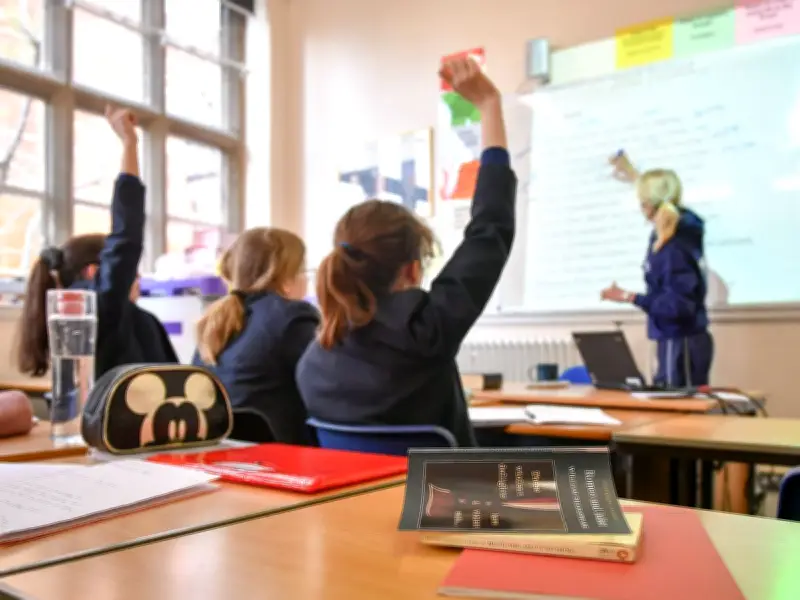
The education system is “not set up to serve white working-class children and families”, an independent inquiry has concluded. The Independent Inquiry into White Working-Class Educational Outcomes also determined that once-in-a-generation reforms were needed to tackle why such children are the lowest-performing large demographic in England’s school system.
Inquiry Background and Support
Commissioned last summer by the multi-academy trust Star Academies, the inquiry is supported by the Department for Education. Inquiry co-chairs Baroness Estelle Morris and Sir Hamid Patel said the issues identified in the report “cannot be explained away by low aspiration or lack of effort”, and cannot be “solved by schools alone”.
Methodology and Key Findings
Thousands of young people, their parents, and hundreds of teachers were interviewed for the inquiry. It also analysed education data about white working-class pupils, focusing on the 1.25 million young people in England who are white British and receiving free school meals. Among its findings, the inquiry determined that white working-class communities and the education system have different viewpoints on how each defines success and the purpose of education.
While many families place greater importance on the social experience of school and call for more vocational options such as apprenticeships, the education system often emphasises academic progression to higher education.
24 Recommendations
The inquiry’s 24 recommendations include more early-years support, improved mental health support, and restrictions on smartphone use in schools. It also calls for improvements in how the system defines and prioritises white working-class educational outcomes, urges an extension of 30 hours’ free childcare to all disadvantaged families not currently eligible, and demands a massive expansion in apprenticeship opportunities in white working-class communities.
Baroness Morris and Sir Hamid said addressing these issues “will require sustained national effort over many years”. They added: “The challenge set out in this report is significant. But so too is the opportunity. Every child in this country deserves to feel that education is for them, that their future matters, and that success is achievable regardless of where they come from.”