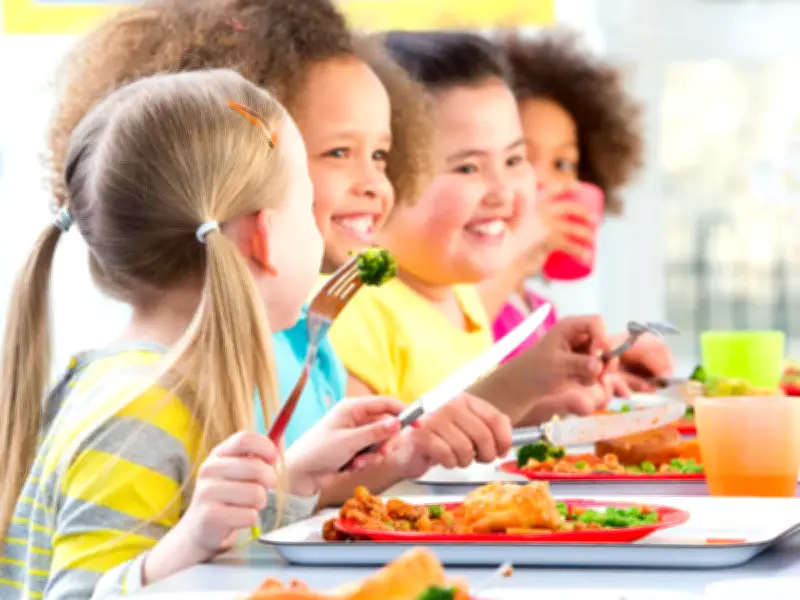
Hundreds of thousands more children will become eligible for free school meals from September as new rules take effect. The change removes the current annual earnings threshold of £7,400 for families claiming Universal Credit, meaning all children in such households will qualify regardless of income.
It is estimated that 500,000 more children will be eligible for free school meals as a result of the change.
Who qualifies under the new rules
In England, all children in reception or years 1 and 2 receive free school meals automatically. The exception is London, where all primary school pupils get them. In Scotland, children from primary one to primary five are covered, while in Wales all primary school pupils receive free school meals.
In Northern Ireland, free school meals are not given automatically to any age group. Instead, all parents claiming benefits must apply.
The benefits that normally qualify you for free school meals across all parts of the UK are Universal Credit, the Guaranteed Element of Pension Credit, income-based Jobseeker's Allowance, income-related Employment and Support Allowance, Income Support, and support under Part VI of the Immigration and Asylum Act 1999.
Applying and other support for parents
In Scotland, families claiming Universal Credit qualify if their monthly income is £995 or less. In Northern Ireland, the income limit for Universal Credit claimants is no more than £15,900 a year.
To apply, families in England, Scotland or Wales should contact their local council. In Northern Ireland, applications go directly to the Education Authority. Depending on the local authority, families may need to reapply or verify eligibility every year, and free school meals are typically only available in state-funded schools.
From September, most primary schools in England can only ask parents to buy a maximum of three branded uniform items per child. Secondary and middle schools can require up to four items if one is a tie. Schools are advised to keep these items to a minimum, and the government says the changes could save some families up to £50 per child, depending on what they buy.
According to a Money Wellness survey, around three in five people (61%) think limiting branded items will save them money, while 30% do not expect to see any saving at all.