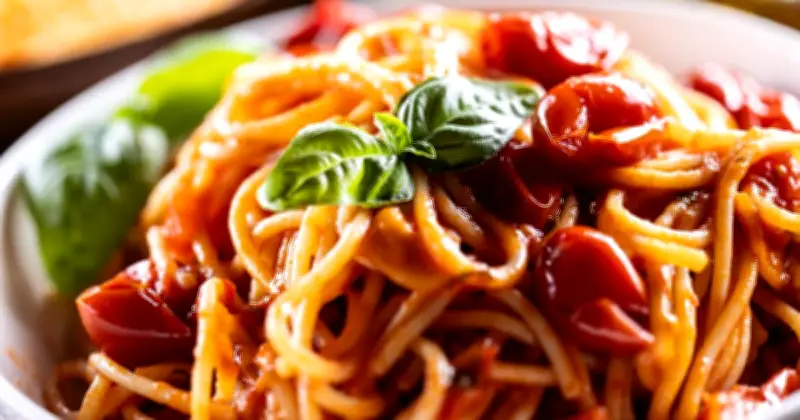
Toasting dried pasta before boiling it can give the finished dish a deeper, nuttier flavour without adding any extra ingredients, according to Gousto chef Sophie Nahmad.
Most home cooks tip dried pasta directly into boiling water. But Nahmad says toasting the pasta until it turns lightly golden before boiling develops deeper, roasted notes and brings out the naturally nutty flavour of the wheat.
Why toasting pasta works
“People regularly toast ingredients such as spices, nuts and rice to intensify their flavour, but few think to do the same with pasta,” Nahmad explains.
“Applying dry heat to pasta before it touches the water gives it a gently roasted, almost biscuity flavour that’s perfect as we head into autumn. You aren’t adding any extra ingredients, but the finished dish tastes noticeably richer.”
The technique works particularly well with short pasta shapes such as penne, rigatoni, fusilli and orzo, which are easier to toast evenly.
How to toast pasta before cooking it
In a frying pan, place the dried pasta in a large, dry frying pan without adding any oil. Toast the pasta over a medium heat for three to five minutes, moving the ingredient around the pan regularly.
Once the pasta smells nutty and has developed patches of pale golden colour, carefully transfer it into a pan of boiling salted water. Cook until al dente (firm to the bite). Toasted pasta may take slightly longer to soften, so use the packet instructions as a guide and taste it before draining.
In the oven, spread the dried pasta across a baking tray in a single layer and place it in the oven at 180°C (160°C fan) for around 8 to 12 minutes. Turn it halfway through and remove it once it is lightly golden.
Which ingredients work best with toasted pasta?
Nahmad warns: “Keep a close eye on the pasta because there is a fine line between toasted and burnt. You’re looking for a pale golden colour and a warm, biscuity smell rather than dark brown edges.”
“Toasted pasta is particularly good in autumnal dishes containing mushrooms, squash, sage or brown butter because the roasted flavours complement each other,” she said.
“It can also elevate a very simple store-cupboard dinner. Toss it with olive oil, garlic, chilli and Parmesan, and the pasta itself provides an extra layer of flavour that would normally come from additional ingredients.”
She adds: “This isn’t about making pasta night more complicated. It’s a small chef’s technique that can make an inexpensive ingredient taste more considered and restaurant-worthy.”