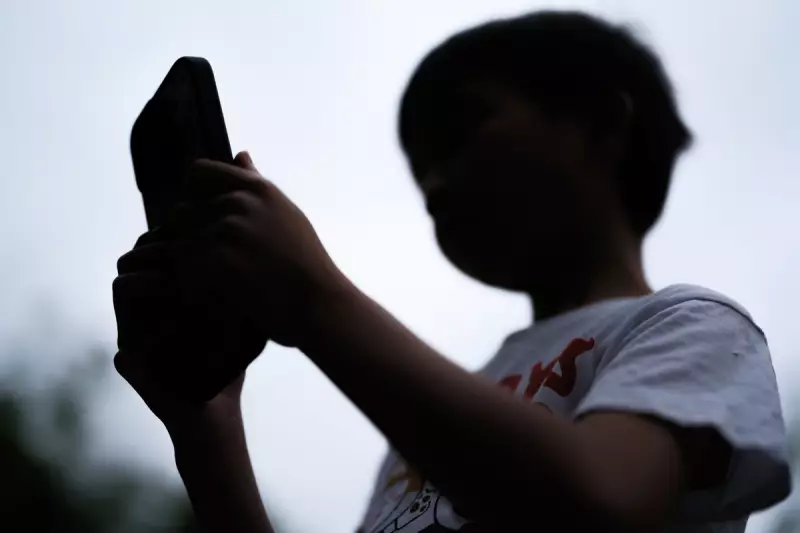
Prime Minister Sir Keir Starmer is preparing to launch a major consultation on restricting social media access for children under the age of 16, with all options including a blanket ban under consideration. The move comes amid growing pressure from within his own party and from families who have lost children to online harms.
Pressure from Bereaved Families and MPs
The expected announcement, first reported by The Times and confirmed by The Independent, follows a powerful intervention from Esther Ghey, the mother of murdered teenager Brianna Ghey. In a joint letter from the Bereaved Families for Online Safety on Monday 19 January 2026, Ms Ghey described her daughter's social media addiction, which was "exacerbated by the harmful content she was consuming online".
The letter, signed by multiple bereaved parents, stated: "I speak not only as Brianna’s mother, but alongside many other bereaved parents who have lost their children to harms that began or were amplified online." It cited dangers including online grooming, dangerous challenges, and exposure to self-harm and suicide content.

Simultaneously, more than 60 Labour MPs have signed an open letter urging the Prime Minister to back a ban. The letter, supported by figures like education select committee chair Helen Hayes and former minister Catherine McKinnell, warns that children are "anxious, unhappy and unable to focus on learning" due to social media, and that Britain risks being "left behind" without action.
Consultation to Examine All Avenues
Speaking on Monday, Sir Keir stated that "no options are off the table" regarding changes to children's social media use. He confirmed the government is looking closely at measures implemented in Australia, which he discussed with Australian Prime Minister Anthony Albanese.
"I don’t think it’s just a question of social media and children under 16. I think we have got to look at a range of measures," Starmer said. The consultation is expected to evaluate various reforms, which could include:
- A complete prohibition (blanket ban) for under-16s.
- Strict daily limits on app usage time.
- Other regulatory measures to enhance safety.
The timing is crucial, as a vote is scheduled in the House of Lords this week on an amendment to the Children’s Wellbeing and Schools Bill. This amendment would force social media platforms to block under-16s from their services within a year of the bill becoming law.
Divided Opinions on the Best Path Forward
The push for a ban has gained significant institutional support. Daniel Kebede, General Secretary of the National Education Union (NEU), the UK's largest teaching union, called the government's shift "a welcome change". He urged Starmer to move to full support for the amendment, stating: "This cannot be a moment for passivity – it demands leadership."
However, a significant coalition of 42 child protection charities and online safety groups issued a joint statement over the weekend cautioning against a blanket ban. They argued it would treat "the symptoms, not the problem" and would not deliver the needed improvement in child safety and wellbeing.
Instead, these organisations advocate for strengthening the Online Safety Act to require platforms to robustly enforce existing, risk-based age limits. They emphasise a need for a multi-faceted approach combining legislation, regulation, education, and societal change, as echoed in the bereaved families' letter.
The upcoming consultation will therefore have to navigate a complex landscape, balancing calls for decisive action with warnings about the unintended consequences of an outright prohibition.