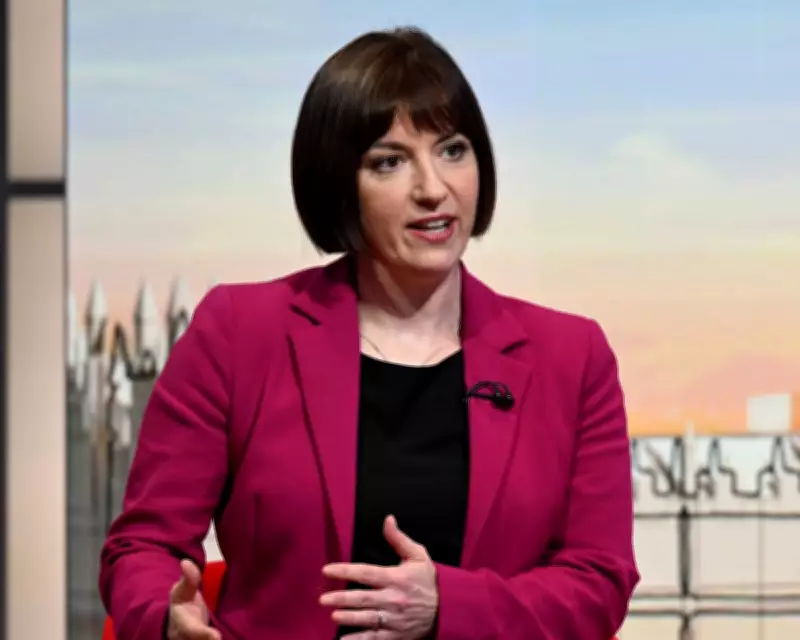
Bridget Phillipson Announces Major Send System Reforms
Education Secretary Bridget Phillipson has pledged that a comprehensive overhaul of special educational needs and disabilities (Send) support in England will commence within weeks, not months. Speaking ahead of the publication of a white paper detailing the reforms, Phillipson emphasised that the changes represent a "decade-long, very careful transition" from a system widely acknowledged as dysfunctional.
Faster Support and Systemic Integration
Phillipson asserted that under the new framework, children with special needs will receive support "much, much more quickly" than at present. She defended the reforms, stating the government is "not taking away effective support from children" but rather integrating Send into the core school system. "Children with special needs will be treated as integral to the school system rather than as a carved-out issue," she explained.
The Education Secretary highlighted that many children experience challenges requiring extra support during their school lives. Currently, parents often face a protracted and adversarial process to secure an Education, Health and Care Plan (EHCP), which legally entitles children to support. "I've heard from so many parents just how difficult, how devastating that has been. It can take years," Phillipson noted.

Changes to EHCP Eligibility and Support Plans
The reforms will raise the threshold for qualifying for an EHCP, reserving these plans for children with the most severe and complex needs. Government sources confirmed that every child with Send will receive an individual support plan, but new, stricter criteria will apply. EHCPs will be issued within weeks, contrasting sharply with the current system where many exceed the 20-week deadline.
For children on lower tiers of need, new plans will still confer additional support and legal rights. Phillipson assured that existing EHCPs will not be revoked, though children transitioning to secondary school may face reassessment under the updated criteria. "Children will be reviewed in terms of their needs assessed. That should be happening at the moment," she stated, referencing the annual review process that often fails in practice.
Addressing Campaigner Concerns and Legal Safeguards
Campaigners have expressed concerns that children with legal rights to support might lose them during reviews, particularly when moving to secondary school. In response, Phillipson promised a system where schools are better equipped to provide immediate assistance, such as speech and language support, without the need for protracted EHCP applications.
Government sources indicated that parents will retain legal avenues for appeals under existing equalities legislation and through tribunals. The white paper, initially scheduled for publication last autumn, was delayed to allow further consideration of the Send proposals.
Financial Commitments and Future Vision
Phillipson stressed that the reforms are not driven by cost-cutting motives. "We're spending more money and we'll continue to spend more money both around schools and Send," she declared. The focus, she added, is on ensuring funds are utilised effectively to deliver better outcomes. "What we will be doing however is taking action where that money is not being well spent."
She concluded with a firm commitment: "I am fiercely ambitious for every child in our country. When parents see all of the documents published tomorrow, what they will see is a government that is focused on delivering better outcomes for their children."