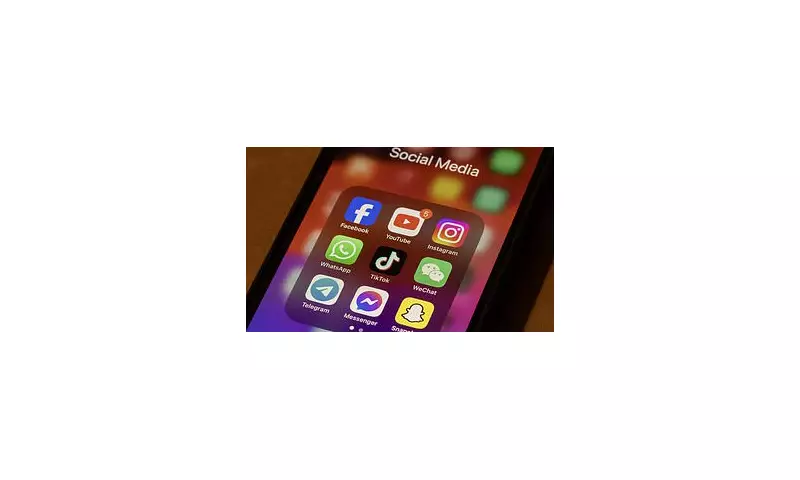
A quiet revolution is brewing in British households, as a growing chorus of parents voices a profound and shared regret: the decision to hand their child a smartphone. What was once seen as a tool for connection and safety has, for many, become a gateway to a digital landscape rife with dangers they never anticipated.
The Unseen Dangers in Children's Pockets
Parents across the nation are reporting a disturbing new normal. Almost a quarter of British children aged five to seven now own a smartphone, according to 2024 Ofcom research. With this access comes exposure: a third of these young users are on social media without supervision, and up to half watch live-streamed content on platforms like TikTok.
The consequences are stark and deeply worrying. Stories abound of primary school children stumbling upon violent or sexually explicit material before breakfast, or retreating into themselves after experiencing horrific bullying on school WhatsApp groups. Online grooming offences have risen sharply, while youngsters are routinely exposed to extreme pornography, misogyny, racism, and content promoting self-harm or eating disorders.

"We are now facing a long-overdue reckoning," says Daisy Greenwell, director of the campaign group Smartphone Free Childhood (SFC). "No parent would consciously choose this exposure for their child. Yet the intense pressure – often from children themselves – means many feel they have little choice."
A Political Reckoning and Grassroots Backlash
The issue has now exploded onto the political agenda. Following Australia's landmark move to ban social media for under-16s, pressure is mounting on Westminster to act. Prime Minister Sir Keir Starmer has acknowledged the need to better protect children, stating all options are on the table. More decisively, Tory leader Kemi Badenoch announced she would suggest an outright ban, citing the strong correlation between social media use and mental health problems in young teens.
This political shift is being driven from the ground up. The grassroots Smartphone Free Childhood movement, born from a viral Instagram post by Greenwell two years ago, now boasts 173,000 parents who have signed a Parent Pact to delay smartphones until at least age 14. Over 400,000 parents are part of SFC communities, with groups in 42 countries.
In just the past five days, more than 200,000 people have written to their MPs supporting a ban. Furthermore, over 60 Labour MPs have written to Sir Keir backing legislation to prohibit social media for children.
Dismantling the Arguments Against a Ban
Opponents, often backed by Big Tech lobbying for 'digital rights', argue a ban is a blunt instrument or would push children to darker corners of the web. Campaigners counter that the most pervasive harms already exist at scale on mainstream platforms like Facebook, Instagram, X, and Snapchat, amplified by algorithms designed for engagement, not wellbeing.
Others claim a ban creates a 'cliff edge' at 16. Supporters retort that this logic would undo all age-of-consent laws, from buying alcohol to watching adult films. While some, like Ian Russell – who tragically lost his daughter Molly to suicide linked to online content – believe existing laws should suffice, many parents disagree. They argue that paper protections have failed to translate into safety in children's daily lives.
"We safeguard children in the real world with clear rules," Greenwell states. "We don't let them into nightclubs or buy cigarettes. Yet we hand them a smartphone and remove almost all those protections. There are no meaningful safety checks – just the Wild West of the internet."
The statistics paint a sobering picture: the average British 12-15-year-old now spends five and a half hours a day on their phone, with rates of anxiety, self-harm, and depression rising as offline time with friends collapses. For the growing army of parents in the Smartphone Free Childhood movement, the conclusion is clear. Raising the minimum age for social media access to 16 is not an extreme measure, but a necessary and proportionate first step to reclaiming childhood from the unchecked grip of tech giants.