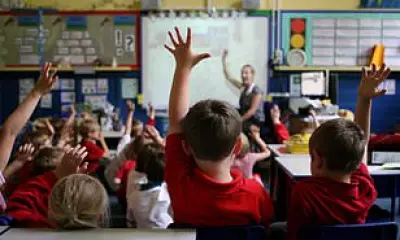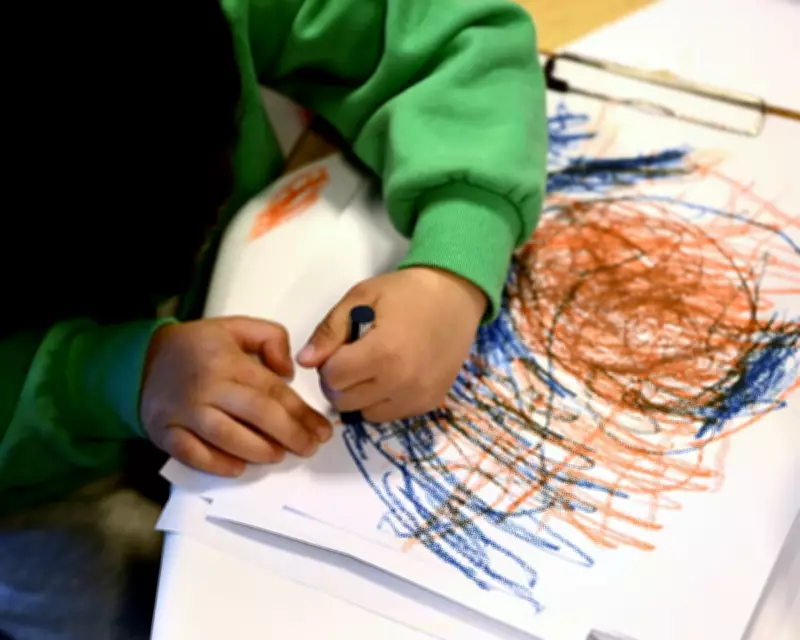
Paula Briggs, founder of the charity AccessArt, argues that creative experiences help children feel connected, empowered and engaged. However, the arts have been undervalued in many schools, leading to a narrow curriculum that prioritises measurable outcomes over meaningful engagement.
The link between arts and school attendance
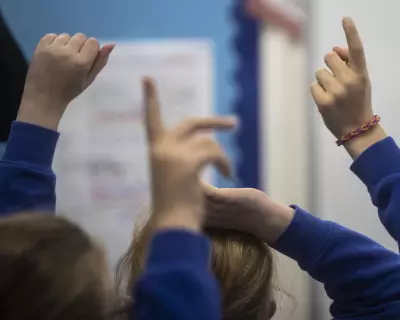
England continues to face high levels of school absence. Behind the statistics are many children who do not feel they belong in school. A rich creative education cannot solve this alone, but it can help schools become places where children feel seen, valued and motivated to participate.
“We cannot keep treating arts education as an optional extra while also worrying about children’s mental health, wellbeing and disengagement from school,” says Briggs. “Creating space in the school day for making, imagining and cultural connection is not a luxury. It is part of building healthier children and healthier communities.”

Arts engagement and ageing
Recent UCL research on the link between arts engagement and ageing shows that arts and cultural engagement is linked to a slower pace of biological ageing. Nicky Goulder, founding CEO of Create, says this should alert us to the urgent need for more equal access to creative opportunities across society.
People from lower socioeconomic and otherwise disadvantaged backgrounds have far fewer opportunities to engage with the arts than those who are better off. The case for the health benefits of creative arts engagement has been firmly made, with a mountain of evidence from decades of academic studies proving that the arts have the power to boost people’s physical and mental wellbeing in profound ways.
Goulder sees the transformative power of the arts every day in the work of Create, which runs artist-led creative workshops free of charge for participants in familiar locations. Over two decades of evaluation data show that giving people the opportunity to paint, sing, dance, write or engage in any other artform significantly enhances their wellbeing and confidence.
“The positive changes we see are often greatest in the most disadvantaged individuals. Sadly, these are often the very people who would otherwise lack access to creativity,” says Goulder. “If we don’t address this stark imbalance at a societal level, creative arts access becomes yet another driver of health inequality instead of a vehicle for improving wellbeing and opportunity for marginalised people.”