Almost one in 11 children in the UK do not own a single book, according to figures from the National Literacy Trust (NLT), with education leaders warning the cost-of-living crisis is locking young people out of future jobs.
The charity's annual survey of 125,375 children and young people aged 5 to 18 across the UK found that the proportion rises to one in seven among those who receive free school meals.
Half of parents surveyed said books are now unaffordable, while more than a third admitted to buying fewer books for their children as household budgets are squeezed.
Impact beyond the classroom
Toni Dolan, an assistant head teacher in Barnsley and local secretary for the school leaders' union National Association of Head Teachers (NAHT), said the impact stretches far beyond the classroom.
Ms Dolan told the Mirror: "If you can't read, you can't do life. You can't fill out a job application, you can't read a recipe, you can't get to work because you can't read the bus timetable. That's what reading is about and why we need to be able to read well."
Paul Whiteman, general secretary of NAHT, said: "Many children, especially from disadvantaged communities, may have limited access to books at home. Once at school, it often feels to teachers like opportunities to read for pleasure have been squeezed out of the curriculum in favour of narrow accountability measures."
Libraries and school resources under pressure
Struggling families cannot rely on libraries either, with many having closed down or rarely open. Official figures show 298 public libraries in England have closed without replacement since 2010, while research by Unison found annual opening hours have fallen from 3.5 million to under 2.8 million.
Meanwhile, one in seven primary schools in the UK does not have a library, according to the NLT, rising to one in four for disadvantaged areas. In September, Labour pledged to ensure that every primary school has a library by 2029.
Ms Dolan said: "It shouldn't be a luxury going to the library. It shouldn't be reliant on people giving up their time to do it. It's such an important resource and I feel that it probably is one of the first things to go when councils have to make their cuts."
Inequality and the road ahead
National Literacy Trust chief executive Jonathan Douglas CBE warned that growing up without books holds children back across every part of their lives.
He said: "While a staggering number of children and young people in the UK don't have a book of their own at home, our greatest concern is the pattern of inequality we're seeing, with children in disadvantaged communities far more likely to be impacted."
"The reality of modern-day life also means that children, young people and families are facing increasing pressures on their time, making it not only difficult to prioritise and sustain regular reading habits, but near-on impossible if you don't have books at home."
He added: "By contrast, low literacy can hold children back at school, lock them out of the job market and have long-term consequences for their wellbeing, financial security and civic engagement. Without books at home, children can be hamstrung from the very start."
At St John's Church School in Peterborough, where 38% of pupils receive free school meals, well above the 26.5% national average, families are often priced out of buying books. Head of School Laura Marriott said: "Some of our families would really love that opportunity to be spending money [on books], but actually just don't have the funds to be able to do that."
As part of the National Year of Reading, the school teamed up with Peterborough United Football Club on a month-long challenge rewarding the top-reading class with a training session at the club, sparking an immediate jump in reading, particularly among boys. Ms Marriott said: "What was really fascinating is that once the initiative had stopped, the engagement didn't dip. The pupils continued to read. And I think that's why it was so powerful."
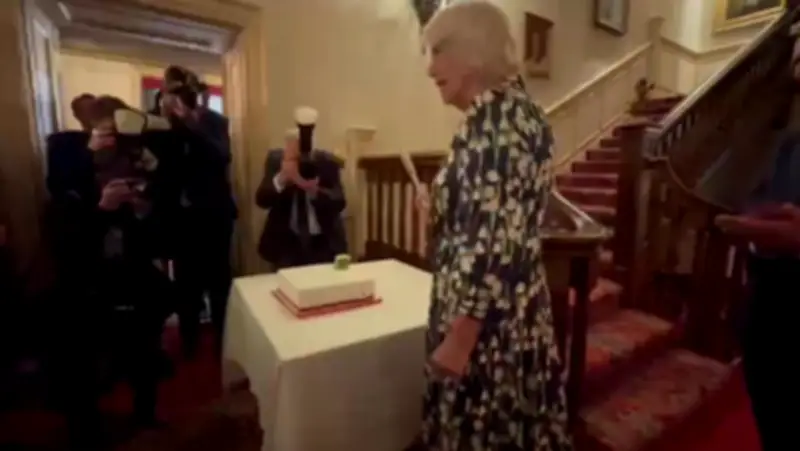
This Wednesday, every Year 6 and P6 pupil in the UK will receive a special edition of Katherine Rundell's Impossible Creatures from the Queen, who is patron of the NLT, which Ms Marriott believes will help bridge the leap to secondary school. She said: "When they go into secondary school and they meet other children from different schools - they've also received this book. They can have that conversation - 'Oh, did you get that book? What was your favourite part?' Those conversations have never been able to happen before."
Matt Wrack, general secretary of NASUWT, the teacher's union, said more funding was needed. He said: "Teachers see first-hand how access to books can help develop literacy, confidence and a love of reading but with huge pressures put on some families just to survive day to day, buying books for their children understandably can't be a priority."
"Tackling the scandal of child poverty in one of the wealthiest countries in the world and ensuring schools are properly funded must be central efforts to improve children's literacy and reduce inequality."
Mr Whiteman of NAHT added: "The family hubs being rolled out by the government, present an ideal opportunity to promote the importance of parents reading to children, and offer support with this, as well as help accessing books."
"While some of the government investment announced so far is really encouraging, it's important this is sustained beyond this National Year of Reading. It is also crucial that the review of curriculum content following the government's Curriculum and Assessment Review frees up more time for pupils to read for enjoyment."