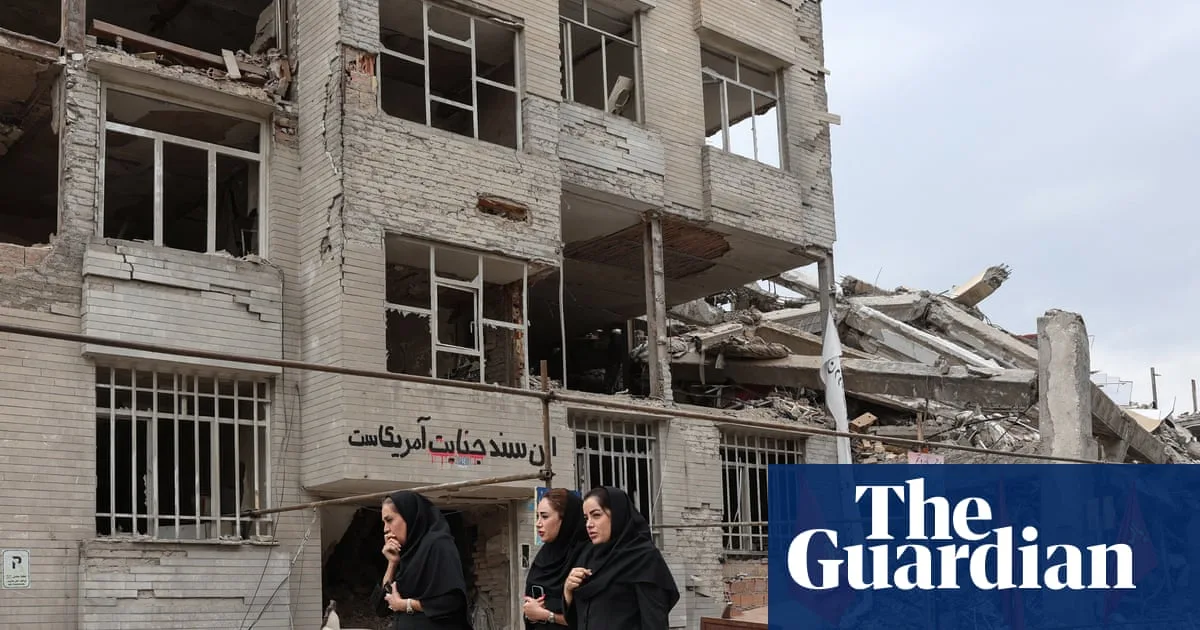
Many Tehran residents who fled the capital during the early days of the war have returned to find their city in ruins. Mehdi, a 36-year-old IT professional, came back to bombed-out buildings and debris. His home was damaged, with shattered glass and blown-out window frames. During the fragile truce, he and thousands of others are navigating a city with ruined infrastructure, a struggling economy, and anxiety over the approaching ceasefire deadline.
The toll on civilian infrastructure has been immense, says Noor, an activist who stayed through the onslaught. Explosions have destroyed schools, universities, hospitals, and homes. Many schools remain closed, and mothers working in the private sector face difficulties caring for children. The internet blackout imposed by Iranian authorities has crossed 45 days, cutting off most of the population and destroying online jobs that were a source of income for about 10 million Iranians.
The economic crisis has worsened. Noor reports that food items have become more expensive, with red meat and fish unaffordable for most, and dairy prices up by over 40%. Factories struggle due to a lack of raw materials, and many workplaces are laying off staff. Banks and government offices are under strain from unstable internet. Medications for chronic illnesses are hard to find, and while food is available, many cannot afford it.
Security forces, including police, the Islamic Revolutionary Guard Corps (IRGC), and Basij militia, maintain a heavy presence with roadblocks and vehicle checks. Arash, a 21-year-old student, says checkpoints are heavily armed with Dushka rifles and AK-47s, and some even recruit children. Despite the ceasefire, the atmosphere remains tense, with residents hyper-alert and fearful of what comes next.