Passover 2026: A Time of Liberation and Reflection
Passover, known as Pesach in Hebrew, is a major Jewish holiday celebrated over a week each spring. It commemorates the Exodus of ancient Israelites from slavery in Egypt, as detailed in the Bible. This year, Passover begins at sunset on Wednesday, April 1, with traditions varying by location: in Israel, it is observed for seven days, while in other parts of the world, some celebrate for seven days and others for eight.
Home and Community Celebrations
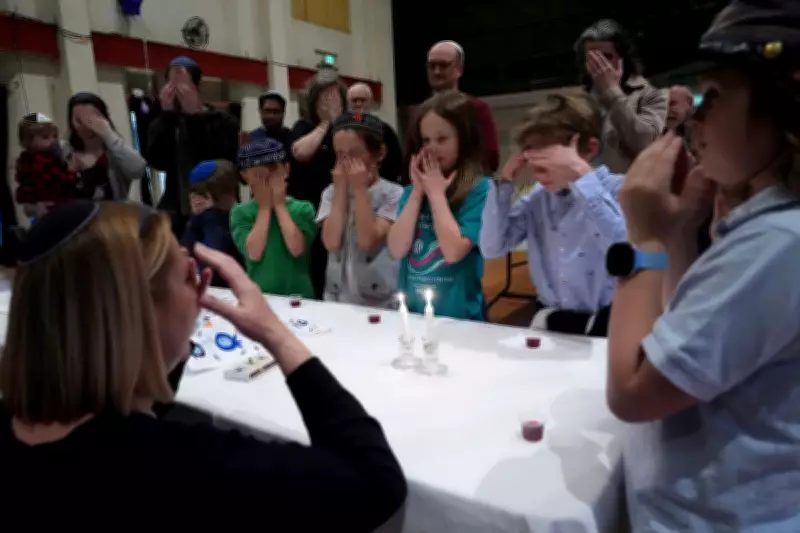
According to Motti Seligson, director of public relations for the Orthodox Jewish movement Chabad-Lubavitch, Passover is the most observed Jewish holiday in America. "It's not a synagogue holiday, although there are services in synagogues. The main parts of Passover are observed at home," Seligson explained. The central ritual is the Seder, a meal where families and communities recount the Exodus story using a Haggadah—a guide for readings and rituals.
Many families customize their Haggadah with supplemental songs and readings on specific themes or written by participants themselves. The Seder table is set with symbolic foods:

- Bitter herbs represent the bitterness of slavery.
- Greens symbolize the arrival of spring.
- A shank bone recalls biblical sacrifices.
Children play an active role, searching for a hidden piece of matzo called the afikomen and asking ritual questions, such as "Why is this night different from any other night?" Observant Jews avoid chametz—grains like bread, pasta, and cereals—eating matzo instead, as a reminder of the unleavened bread consumed during the flight from Egypt.
Challenges Amidst Celebration
This year's Passover occurs amidst significant global tensions. The Middle East is embroiled in intensified conflict, with the United States and Israel heavily bombarding Iran and its proxies, which have retaliated with attacks on Israel and U.S. bases. Antisemitism remains a pressing concern, highlighted by recent incidents:
- Synagogue attacks in Mississippi and Michigan involving arson and gun violence.
- A deadly assault on a Hanukkah celebration in Australia in December.
- Persistent anti-Jewish attitudes on college campuses, as noted in an Anti-Defamation League report.
Divisions within the Jewish community over Israeli policies and the aftermath of the Israel-Hamas war add to the sober backdrop. Voices on both the political right and left have denounced the U.S.-Israeli alliance, sometimes targeting Jewish religious beliefs beyond Zionism.
Communal and Travel-Based Observances
While traditionally a home-based celebration, many congregations host larger Seders to accommodate those with limited family connections or unable to prepare the meal. Jewish community centers, cultural hubs, and campus facilities frequently organize Passover gatherings, allowing participants to attend both home and communal Seders on different nights.
In a nod to modern travel trends, some hotels offer Seders in kosher settings at popular destinations. Chabad plans to host thousands at communal Seders in countries like Thailand and Nepal, catering to travelers. Regardless of the setting, the Seder ritual emphasizes personal connection to the biblical story. As one version of the Haggadah states, "Tradition teaches us that in every generation, we ought to look upon ourselves as if we personally had gone out of Egypt. Therefore, it is our duty to thank the One who performed all the miracles for generations past and present."
Associated Press religion coverage receives support through collaboration with The Conversation US, funded by Lilly Endowment Inc., with the AP solely responsible for this content.