North Korean Workers in Russia Endure One Shower Per Year in Brutal Conditions
North Korean Workers in Russia: One Shower Per Year, Treated Worse Than Cattle

North Korean Workers in Russia Endure One Shower Per Year in Brutal Conditions

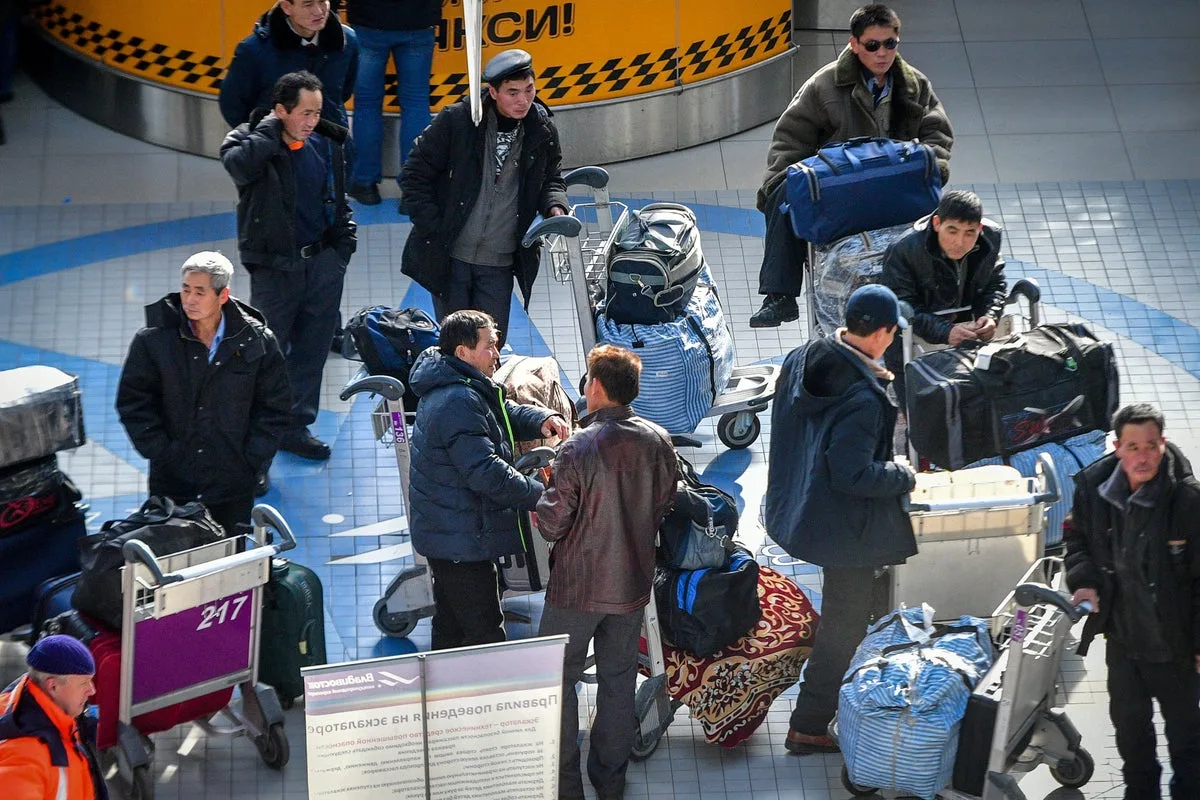
Thousands of North Korean labourers sent to Russia under Kim Jong Un's overseas work programme are living under life-threatening conditions, with basic rights severely curtailed, to fund the authoritarian state's nuclear and ballistic missile programmes, experts have revealed.

A new investigation by the Hague-based international law foundation Global Rights Compliance has exposed the appalling reality for at least 100,000 North Koreans forced into abusive working conditions across Russian cities.

"We Are Treated Worse Than Cattle"

Guemhyuk Kim*, a 29-year-old worker from Pyongyang, cannot recall his last proper shower. Sent to St Petersburg in 2024 for stadium construction work, he now lives with twenty fellow countrymen in a cramped shipping container just 200 metres from the worksite.

Wide Pickt banner — collaborative shopping lists app for Telegram, phone mockup with grocery list

"There's no shower facility so we just clean off our face with a tap," he says. "We are chronically sleep-deprived from long shifts and brutal living conditions. The containers are infested with cockroaches and bedbugs."

The investigation found showers are limited to just one or two per year for these workers, who describe themselves as being treated "worse than cattle."

16-Hour Days for $10 Monthly

Workers report being forced to labour for up to sixteen hours daily, starting at 7am and continuing until midnight, for 364 days each year. Their monthly wage amounts to a mere $10 (£7.40), with all earnings subject to mandatory state quotas.

"Every afternoon, I find myself calculating whether I can meet this month's quota," one worker revealed. "The mandatory monthly quota, locally called Gukga Gyehoekbun, levied by Pyongyang is a central fact of life for every DPRK worker abroad."

Most workers had no prior knowledge of these quotas before arriving in Russia, with some even paying bribes to middlemen that later trapped them in debt.

Medical Neglect and Surveillance Culture

Medical issues are routinely ignored and viewed as "problems obstructing work." One worker described receiving only salt water to treat a serious arm injury before being forced back to work immediately.

Yeji Kim, a DPRK advisor at Global Rights Compliance, explained: "He was worried that if he's not covering his part, then his colleagues will have to step up for him, and that creates tension between them."

The workers are also compelled to spy on one another, leading to physical clashes. Those caught browsing the internet, watching American or South Korean films, or viewing sexual content face punishment and potential repatriation to North Korea.

Violating UN Sanctions

Despite a 2017 UN Security Council resolution demanding all countries repatriate North Korean workers by December 2019 to prevent foreign currency funding of Pyongyang's nuclear programmes, the labour scheme has accelerated in Russian cities.

Experts say the programme represents a "quid pro quo" agreement between Vladimir Putin and Kim Jong Un, with Russia reportedly providing technical assistance for North Korea's spy satellite programme in exchange for labour.

Russia's severe workforce shortage, stemming from battlefield losses in Ukraine, mass military mobilisation, and worker exodus, has increased demand for North Korean labourers.

Family Hostages and Political Loyalty

Workers are selected not for physical capability but for loyalty to the Kim regime. Those with wives, children, and elderly parents are deliberately targeted to ensure family members bear the consequences of any defection attempts.

"Kim Jong Un wants these workers to be alive and then if they don't comply, whatever the rules and quotas they need, there is a risk that they will be sent to this political prison camp because it's very arbitrary punishment," Yeji Kim explained.

The fate of these labourers parallels that of North Koreans sent to fight alongside Russian forces in Ukraine, with both groups suffering from limited information about their assignments and constant fear about their ultimate destinations.

*Guemhyuk Kim's name has been changed to protect his identity.

Pickt after-article banner — collaborative shopping lists app with family illustration