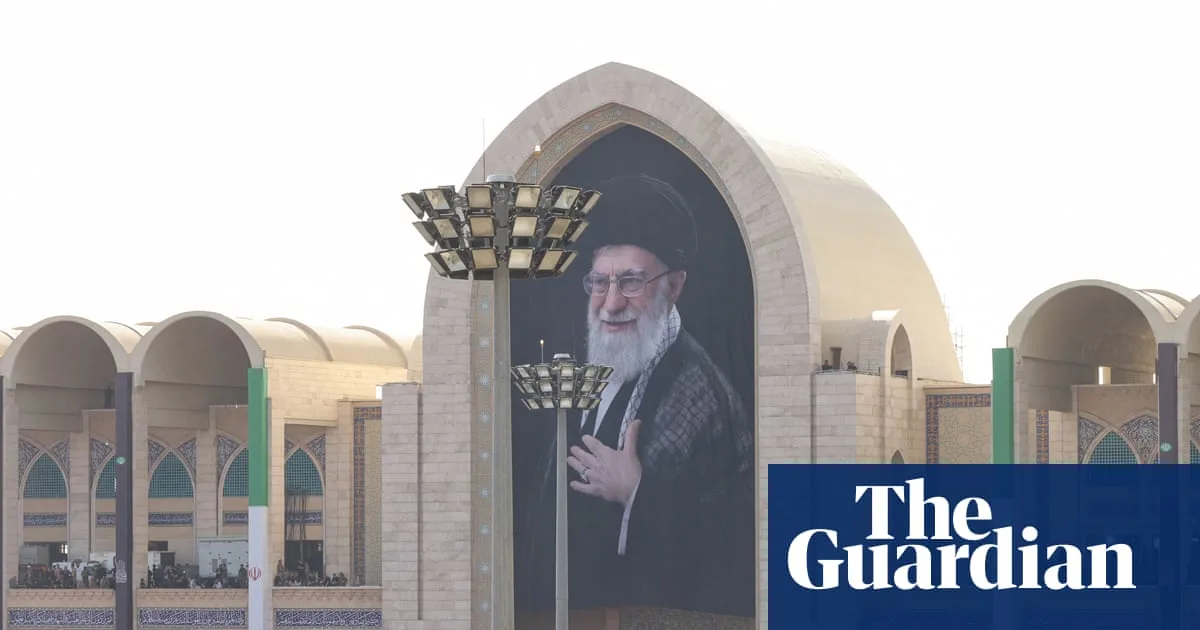
At the funeral of assassinated Iranian Supreme Leader Ali Khamenei in Tehran on Sunday, mourners called for the killing of US President Donald Trump. Khamenei was killed along with other family members on the first day of the US-Israeli war on 28 February, with the funeral delayed due to the conflict.
Thousands gathered at Imam Khomeini Grand Mosalla for prayers, with many staying overnight. The crowd, waving Iranian flags and red vengeance banners, was larger and more militant than on Saturday. Poet Mohammad Rasouli declared: 'From now on the shroud is our garment. I swear by your blood; Trump’s murder is our responsibility.' His remarks drew cheers from the crowd.
Iran’s ambassador to Armenia, Khalil Shirgholami, posted on X: 'You can kill people, but you can’t kill ideals. You killed Ayatollah Khamenei, but in reality you broke a bottle of perfume, the fragrance of which has now spread everywhere.' National security council secretary Mohammed Bagher Zolghadr said people were shouting slogans of resistance and revenge.
The funeral prayers, led by 97-year-old Ayatollah Ja’far Sobhani, also honoured three other family members, including Khamenei’s 14-month-old granddaughter. New Supreme Leader Mojtaba Khamenei remained absent from public view, unlike his three brothers who stood beside the coffin. He has not appeared publicly since his appointment 10 days after his father’s death.
Senior Iranian officials, including al-Quds force commander Esmail Qaani and IRGC commander Ahmad Vahidi, attended, suggesting confidence in a ceasefire with the US. However, US commentator Laura Loomer described the funeral as a 'target-rich environment', while Mark Levin called it 'an opportunity lost'. Officials confirmed Mojtaba was injured in the attacks but suffered no permanent disfigurement.