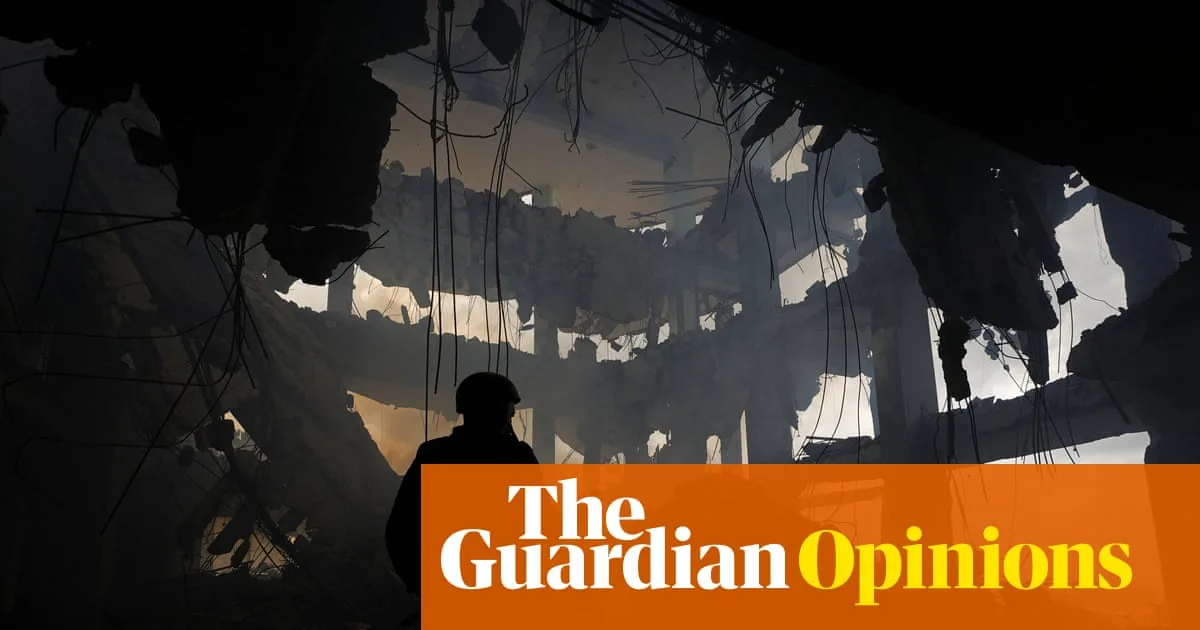
A genocide prevention organisation has issued a red flag alert as Israeli politicians and commentators call for the destruction of Lebanese infrastructure in a campaign mirroring the devastation of Gaza. The Lemkin Institute for Genocide Prevention and Human Security warned of escalating rhetoric, with Israeli airstrikes killing nearly 1,000 people in Lebanon over the past two weeks and a ground invasion announced on Monday.
Israeli leaders have openly invoked the 'Gaza model' for Lebanon. Finance Minister Bezalel Smotrich said the Dahiyeh neighbourhood of Beirut would soon resemble Khan Younis in Gaza, while Defence Minister Israel Katz ordered forces to destroy villages near the border as was done in Rafah and Beit Hanoun. MK Zvi Sukkot urged conquest and annexation of southern Lebanese territory, and Likud member Amit Halevi vowed the Litani river would become the north's new yellow line, echoing the boundary of Israel's occupation in Gaza.
Opposition figures and media commentators have joined the chorus. Former army chief Gadi Eisenkot endorsed the 'Dahiyeh doctrine' of deliberate disproportionate force against civilians. Channel 12 journalist Amit Segal called for advancing to the Litani and preventing residents from returning until Hezbollah disarms, while Channel 14's Yinon Magal suggested eliminating Dahiyeh entirely. Former defence minister Yoav Gallant urged strikes to 'eliminate everything' across multiple Lebanese cities.
The Israeli army has engaged in psychological warfare, dropping leaflets over Beirut mocking the 'remarkable success in Gaza' and asking 'Where is your country heading?' Despite the escalation, international reaction has been limited. The Lemkin Institute noted that statements by Israeli officials are being used as evidence of genocidal intent in South Africa's ongoing genocide case against Israel at the International Court of Justice.