Explosions lit up the Tehran skyline overnight on Wednesday as Israel launched fresh airstrikes, but by morning, joggers were back in Pardisan Park. The Persian New Year period, usually bustling with spring activities, has been overshadowed by a conflict many fear could last weeks or months.
“More and more, people are starting to normalise this war,” said Farhad, a photography editor in Tehran. “It’s difficult, but we’re adapting and trying to return to our daily lives as much as possible. There’s no alternative. We’re tired. We just want peace.” Schools and universities remain closed, but shops, restaurants and cafes are slowly reopening.
Aylar, a 39-year-old human rights worker, spent the first weeks sheltering with her cats. She bought an expensive VPN to bypass the internet blackout and talk to relatives abroad. “On the same day, I also went for coffee and chocolate cake with friends on what felt like a sunny spring day. These conflicting realities are bizarre,” she said.
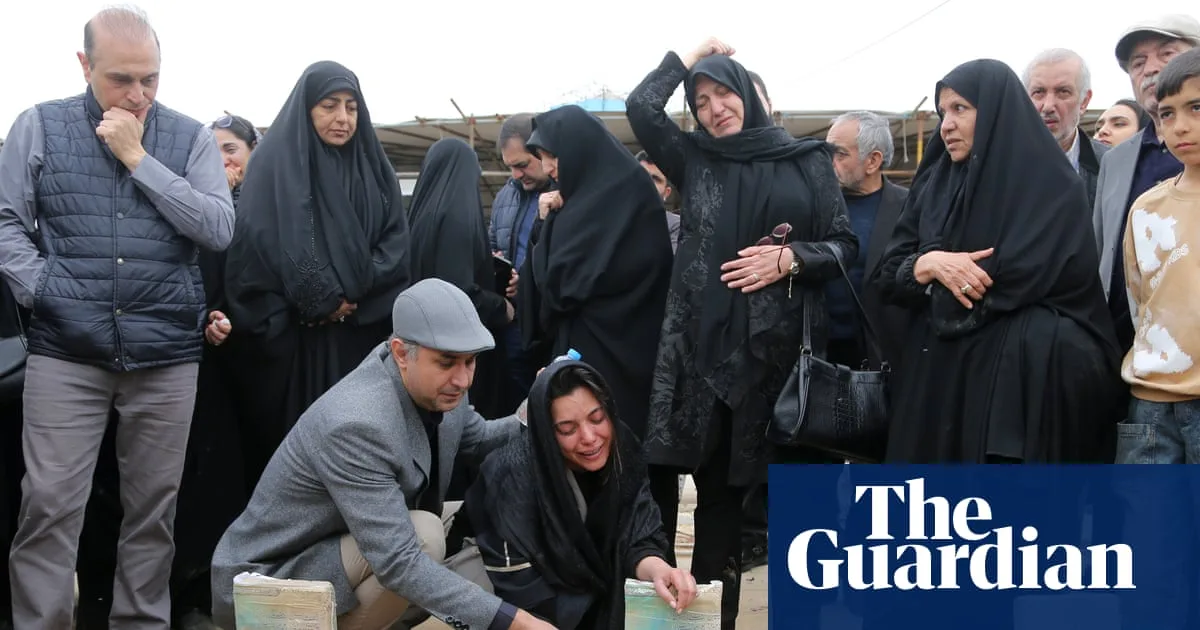
Iran’s official death toll stands at around 1,500, but the Iranian Human Rights Activists News Agency estimates the real figure may exceed 3,000. Azadeh, a 46-year-old researcher, was with her pregnant sister when a strike hit 200 metres away. “I held her tightly to protect her from shrapnel. Every time I hear an explosion, I feel fear,” she said.
Many international students have left Iran. Hasina, a 26-year-old Afghan medical student, travelled back to Afghanistan. “It was sad and scary to leave, and difficult to return to Taliban-controlled Afghanistan. At the border, many women got into trouble for arriving without a male guardian,” she said from Herat.
Society remains polarised. While most oppose the war, some see it as a chance for regime change. After the death of Ayatollah Ali Khamenei was announced, some Tehranis celebrated on rooftops, while government supporters held vigils. Pro-government gatherings chant “God is great, Khamenei is the leader” and “death to America, death to Israel” each evening.