Iranian Dissidents Face Imminent Execution Following Unfair Trials, Rights Groups Warn
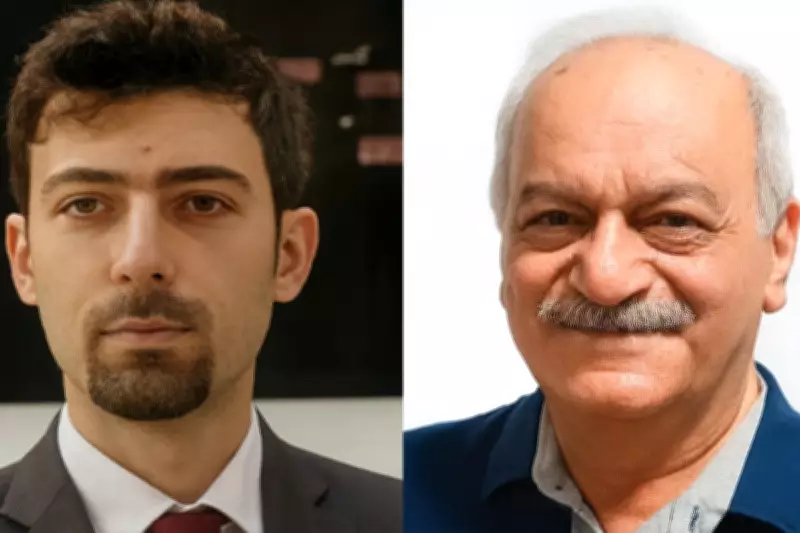
Two Iranian political dissidents, Vahid Bani Amerian, 34, and Abolhassan Montazer, 68, are at imminent risk of execution, according to human rights organisations including Amnesty International and the Oslo-based NGO Iran Human Rights. The warning follows a series of executions in Iran this week, highlighting a brutal crackdown on dissent.
Unfair Trials and Torture Allegations
Amnesty International has condemned the legal proceedings against Amerian and Montazer as a "grossly unfair torture-tainted" trial. Diana Eltahawy, Amnesty's deputy regional director for the Middle East and North Africa, stated that fears have intensified over their fate, with authorities refusing to provide information to their families or lawyers since their transfer to an unidentified location on 30 March.
The organisations report that at least 11 men, including recently executed teenager Amirhossein Hatami, were subjected to torture and ill-treatment in detention. This included beatings, floggings, prolonged solitary confinement, and death threats. Their convictions relied on forced confessions extracted under torture, with trials lasting only a few hours.

Recent Executions and a Wave of Violence
This week has seen a spate of executions in Iran. Amirhossein Hatami was executed on Thursday after participating in January protests, convicted of damaging a military site in Tehran. Four other protesters—Mohammad Amin Biglari, Ali Fahim, Abolfazl Salehi Siavashani, and Shahin Vahedparast Kolo—are scheduled for execution soon, with one per day planned.
Additionally, four political dissidents were hanged in what Amnesty calls "arbitrary and secret executions" earlier this week. Babak Alipour and Pouya Ghobadi were executed on Wednesday, following Akbar (Shahrokh) Danesvarkar and Mohammad Taghavi Sangdehi on Tuesday. All were sentenced to death in October 2024 by an Iranian Revolutionary Court in Tehran for "armed rebellion against the state" (baghi), allegedly linked to the banned People's Mojahedin Organisation of Iran (PMOI), though they denied taking up arms.
Transfers and Intensified Fears
On Sunday evening, 29 March, Daneshvarkar and Sangdehi were transferred from Section 4 of Ghezel Hesar prison to an unknown location, with their executions announced shortly after. Ghobadi and Alipour, executed this week, were similarly moved. Rights groups now warn that Amerian and Montazer face the same fate, having been transferred under similar circumstances.
The National Council of Resistance in Iran has called for urgent action by United Nations bodies and international human rights organisations to ascertain the condition of these prisoners and prevent further executions.
Broader Context of Executions in Iran
Last year, Iran Human Rights announced that Iran carried out a "mass killing campaign" in 2025, executing over 1,000 people between January and September—the highest number in three decades. Rights groups suggest over 5,000 people have been killed in a brutal crackdown on protests, with some estimates as high as 30,000.
Former US President Donald Trump previously told Iranian protesters that "help is on its way," but the situation remains dire. The ongoing executions underscore severe human rights abuses and a climate of fear in Iran, as dissidents face lethal consequences for their opposition to the state.