India Launches World's Largest Population Census After Years of Delay
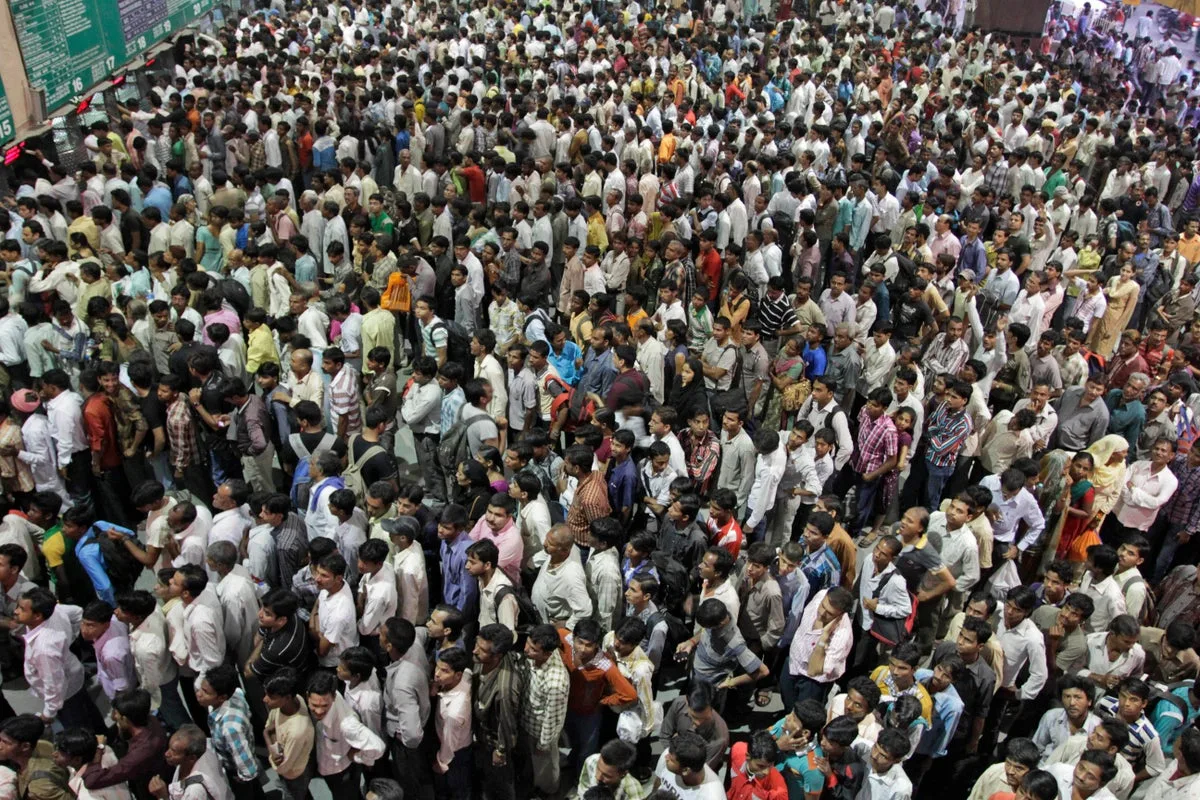
India has officially commenced its long-delayed national population census, an enormous undertaking that represents the world's largest population count. This comprehensive exercise, which began on Wednesday, has the potential to fundamentally reshape welfare programs and political representation across the entire country.
The Scale of the Census Operation
The previous census conducted in 2011 recorded India's population at 1.21 billion people. Current estimates suggest the population has now swelled to more than 1.4 billion, solidifying India's position as the most populous nation on Earth. This new census was originally scheduled for 2021 but faced significant postponements due to the COVID-19 pandemic and various logistical challenges that required resolution.
The first phase of this monumental count started this week and will continue rolling out across the nation through September. Government workers will spend approximately one month in each designated area, meticulously collecting information about homes and available facilities while documenting housing stock and living conditions throughout the country.
Modern Methodology and Digital Integration
This census represents a significant technological advancement, blending traditional in-person surveys with innovative digital options. Residents will have the opportunity to submit their information through a specially designed multilingual smartphone application that incorporates sophisticated satellite-based mapping technology. This dual approach aims to increase accuracy and accessibility while maintaining the thoroughness expected of such a crucial national exercise.
The second phase, scheduled to run from September through next April, will gather more detailed information about people's social and economic characteristics. This will include comprehensive data on religion and caste, elements that carry significant social and political weight in Indian society.
Massive Workforce Deployment
More than 3 million government workers are expected to be deployed over the course of this year-long census operation. This represents a substantial increase from the 2011 census, when nearly 2.7 million enumerators surveyed more than 240 million households nationwide. The sheer scale of this workforce deployment underscores the complexity and importance of this national undertaking.
The Politically Sensitive Caste Count
Perhaps the most significant aspect of this census involves the broader accounting of caste beyond historically marginalized groups. Caste represents an ancient system of social hierarchy in India that continues to influence social standing and access to resources, education, and economic opportunities throughout the country.
There are hundreds of distinct caste groups based on occupation and economic status across India, particularly among Hindu communities. However, the nation currently possesses limited or outdated data about how many people belong to these various caste categories. The last comprehensive attempt to gather detailed caste information through a census dates back to 1931, during British colonial rule.
Since independent India conducted its first census in 1951, the government has counted only Dalits and Adivasis—members of marginalized groups officially known as scheduled castes and tribes. Successive governments have resisted conducting a full caste count, expressing concerns that such detailed data could potentially heighten social tensions and trigger unrest across various regions.
Political Implications and Representation
The population data collected through this census will serve as the foundation for distributing government welfare programs and shaping a wide range of public policies for years to come. Furthermore, the results could prompt a significant redrawing of India's political map, as seats in the lower house of Parliament and state legislatures may need to be increased to accurately reflect population growth patterns.
A 2023 law already reserves one-third of legislative seats for women, meaning any expansion of parliamentary seats would automatically increase the number of positions set aside for female representatives. This census data will therefore play a crucial role in determining political representation and resource allocation across India's diverse states and territories for the coming decade.