Canadian in UK Confused by British Tea Phrase 'As It Comes'
Canadian Baffled by British Tea Phrase 'As It Comes'

A Canadian woman living in Wales has sparked a viral conversation after sharing her confusion over a common British tea-related phrase. The TikTok user, known as ellayyayy, posted a video detailing her bafflement when her husband's friend responded with "as it comes" after she offered to make him a cup of tea.

The Perplexing British Tea Tradition

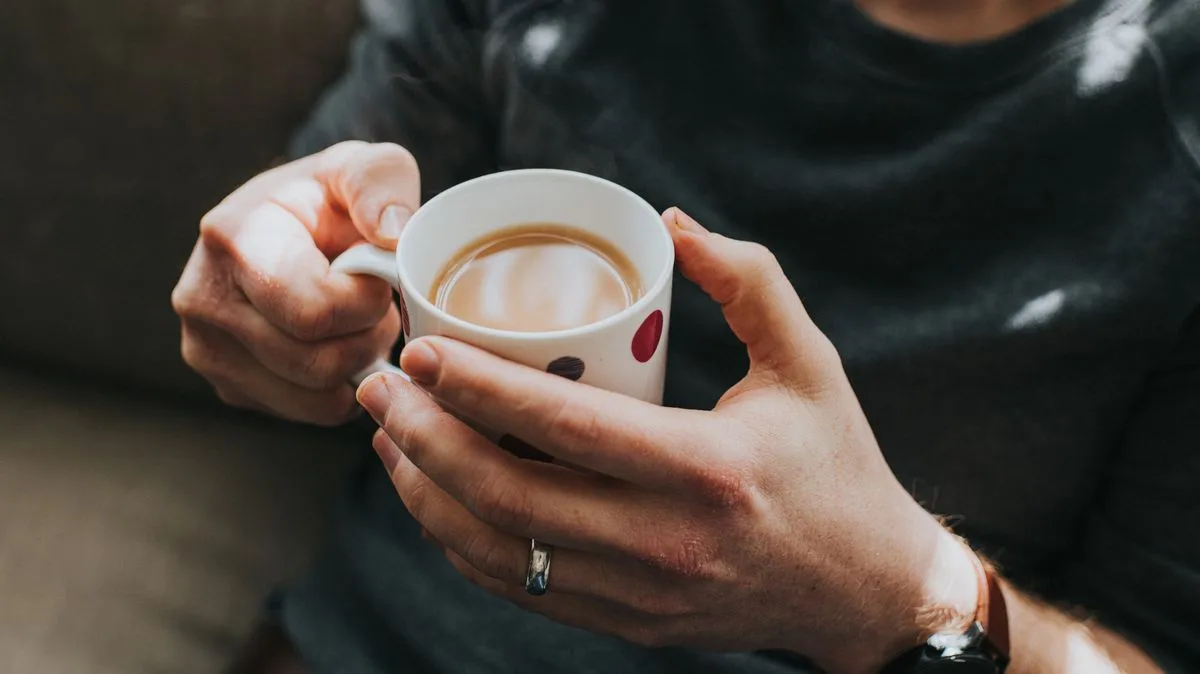
For Brits, tea is more than just a beverage—it's a deeply ingrained cultural ritual with unspoken rules and nuances that can leave outsiders scratching their heads. The simple combination of tea bag, hot water, milk, and optional sugar carries layers of social etiquette that are second nature to locals but often mystifying to visitors.

The Confusing Encounter

In her viral TikTok video, ellayyayy recounted the moment that left her completely puzzled. "I was making a cup of tea for my husband's friend the other day and I asked him how he would like it, and he said 'oh, as it comes'," she explained. "What does that mean? So I said 'oh sorry, what do you mean?' 'Oh, no, as it comes'. And I'm thinking mate, it comes however I prepare it and give it to you, so how do you want me to do that?"

Wide Pickt banner — collaborative shopping lists app for Telegram, phone mockup with grocery list

The phrase "as it comes" represents a particularly British approach to tea-making that balances politeness with preference. Commenters on the video offered various interpretations of what the expression truly means in practice.

Interpreting 'As It Comes'

One commenter explained: "It's a Britishism. It's a way of saying 'just make it how you like it because I'm waaaaay too polite to give you orders in your own home and I like all variations of tea anyway'."

Another offered a more practical interpretation: "If you say 'as it comes' I'm making it medium strength, splash of milk, no sugar." This suggests the phrase implies a default preparation rather than complete indifference.

A third commenter added: "It means they don't mind if it is strong or weak. And hasn't specifically said sugar, so no sugar. In UK milk is seen as standard."

The Controversial Tea Decision

In a follow-up video, ellayyayy revealed how she ultimately handled the situation after her confusion persisted. When she asked for clarification, her husband's friend repeated "as it comes" while specifying he wanted milk and no sugar, leaving the strength ambiguous.

"I didn't know what to do with that so I thought, I'm gonna play it safe," she explained. Her solution proved controversial: "I left the tea bag in. Milk, no sugar, left the tea bag in, brought him the cup of tea, milk, no sugar, tea bag in, and a little ramekin and a spoon just in case he wanted to take it out."

The reaction was telling: "And Mr 'as it comes', as soon as I hand him the mug, goes 'oh, you left the tea bag in'." This prompted her conclusion: "Now I know. 'As it comes' just means 'do whatever the f*** you want, I'll drink it'."

Divided Opinions on Tea Preparation

The incident sparked a broader discussion about proper tea preparation among British commenters. One person stated firmly: "No one leaves a teabag in for black tea... Peppermint, fruit infusions etc, maybe, but not black tea.... But I understand that that could be seen as the lowest risk option."

Another offered detailed instructions: "As it comes normally means 'I'm not really really fussy about the colour/strength of the tea but it shouldn't be very strong or very weak'. Pour boiling water over teabag, squeeze bag with back of spoon and remove. Add splash of milk and stir."

Yet another commenter simplified: "As a Brit I'd never leave a plain teabag in, only herbal ones, but you're right, 'as it comes' means 'just give me a tea'."

However, not everyone agreed with these conventions. One dissenting voice declared: "Call me crazy, I leave my teabag in till cup is empty. Yes, even black tea. I just love strong flavour. Same with the tea leaves in the teapot. I don't remove them. they soak till the end."

The Cultural Divide in a Teacup

This seemingly minor exchange highlights the significant cultural differences that can emerge around something as simple as tea preparation. For Brits, phrases like "as it comes" represent a complex interplay of politeness, social norms, and assumed knowledge that forms part of the national identity.

Pickt after-article banner — collaborative shopping lists app with family illustration

For newcomers like ellayyayy, these nuances can create genuine confusion, demonstrating how even the most everyday interactions can reveal deeper cultural divides. The viral response to her experience shows that while Brits might take their tea traditions for granted, explaining them to outsiders requires navigating a labyrinth of unspoken rules and regional variations.

The discussion continues to resonate because it touches on broader themes of cultural adaptation, communication gaps, and the small rituals that define national identity. As one commenter humorously noted, "That's an open invitation to freestyle it, serve it with a tiny umbrella and an olive"—though most Brits would probably prefer their tea without such embellishments.